
Katana
Showing 1–36 of 136 results
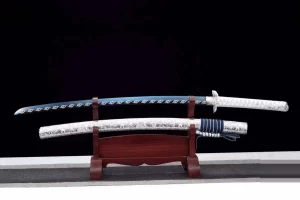
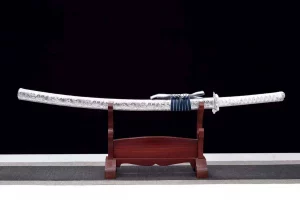
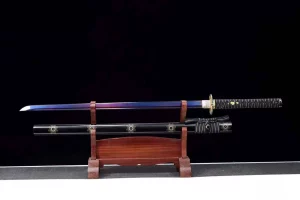
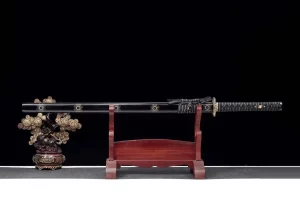
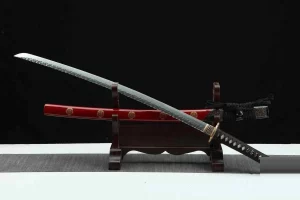
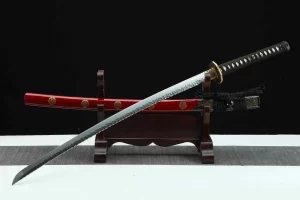
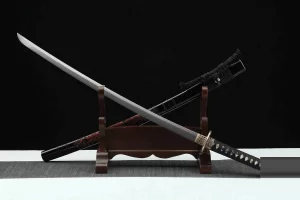
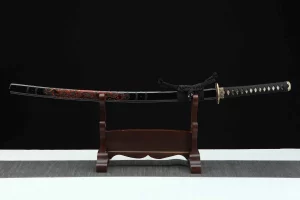
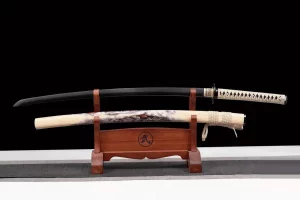
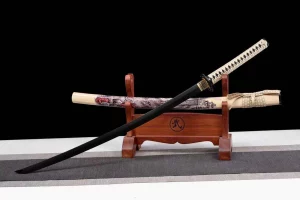
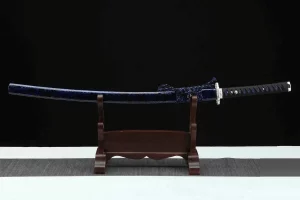
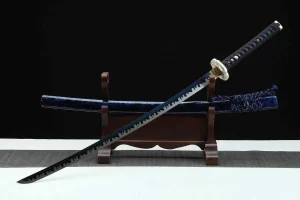
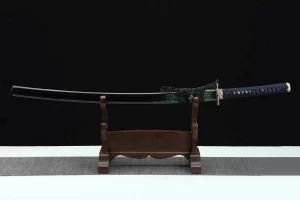
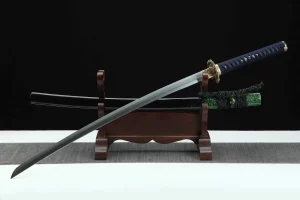
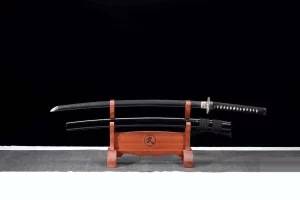
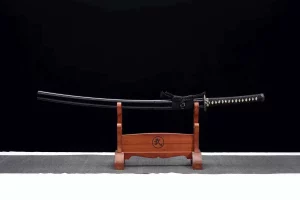
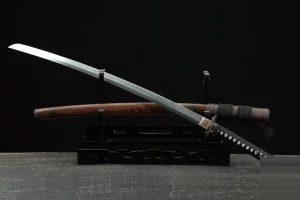
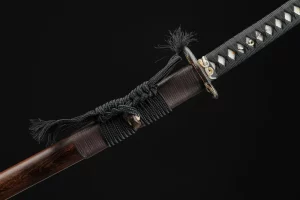
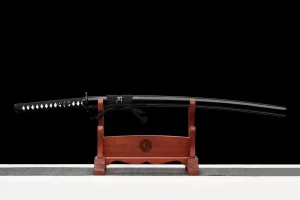
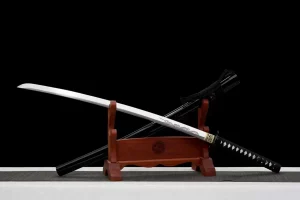
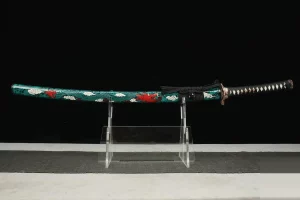
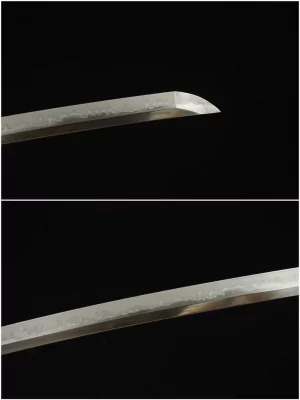
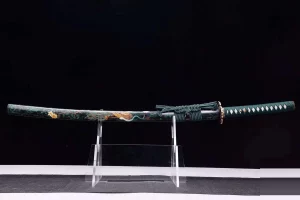
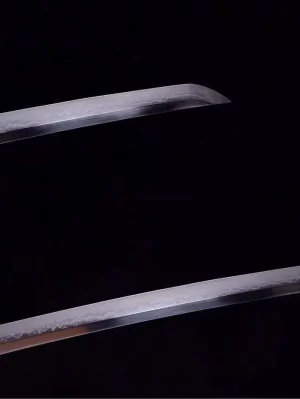
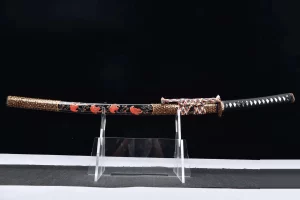
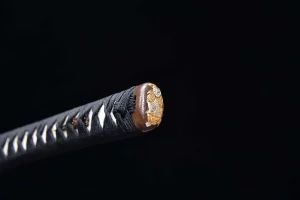
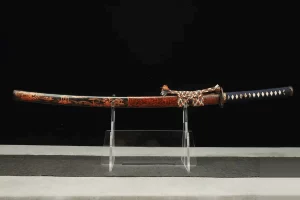
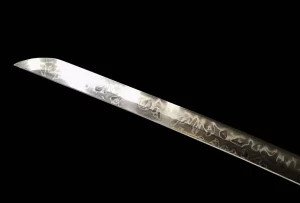
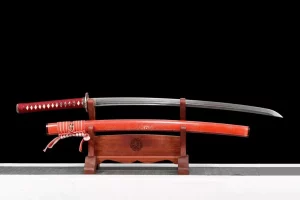
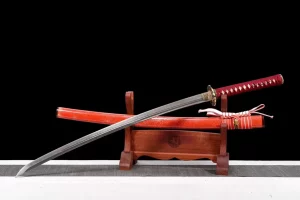
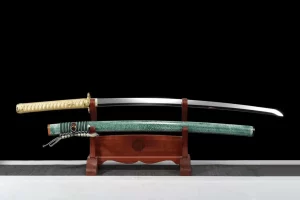
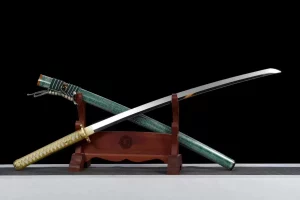
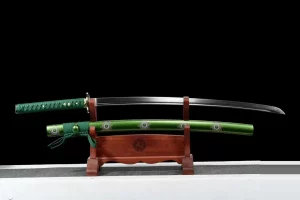
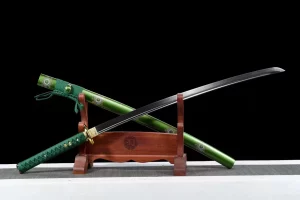
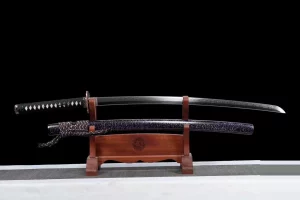
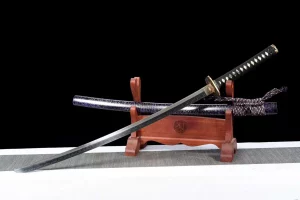
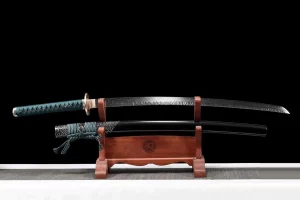
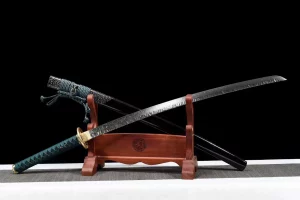
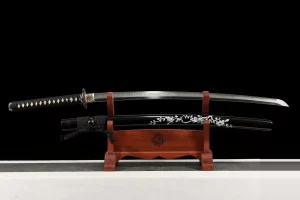
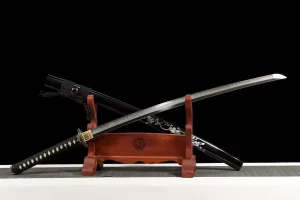
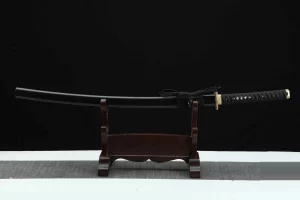
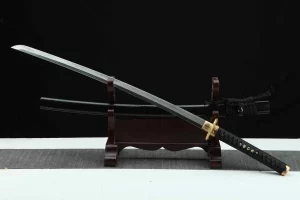
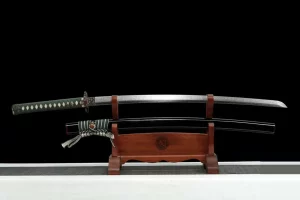
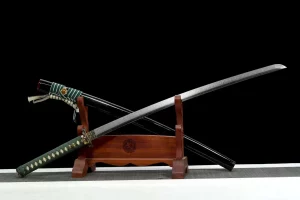
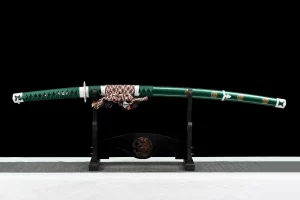
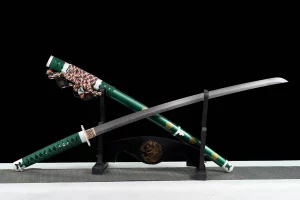
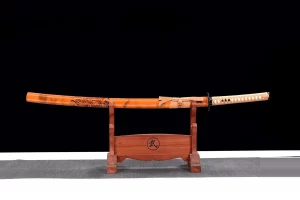
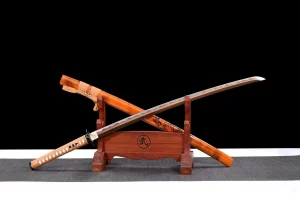
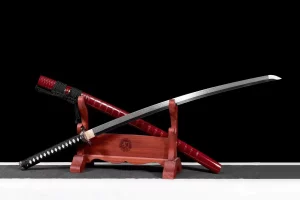
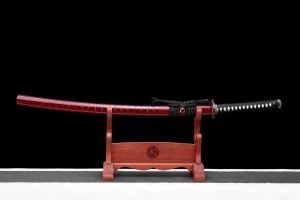
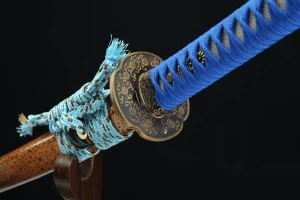
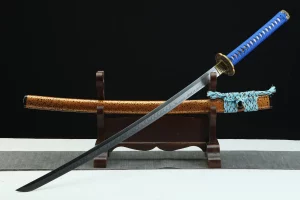
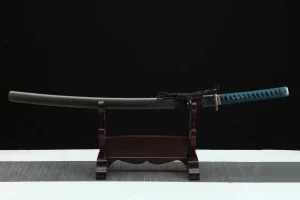
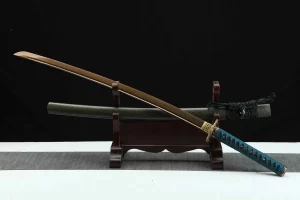
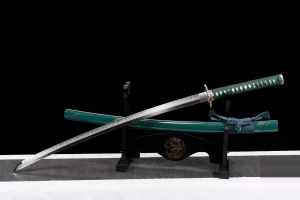
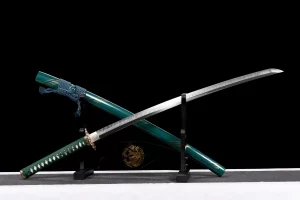
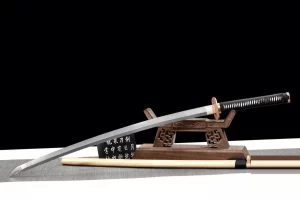
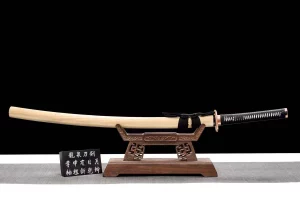
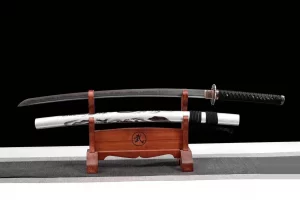
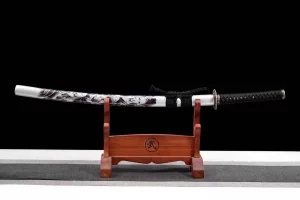
Showing 1–36 of 136 results
The Hand-Forged Japanese katana
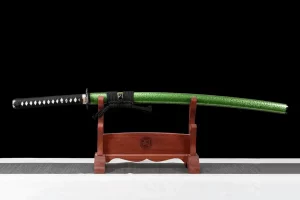
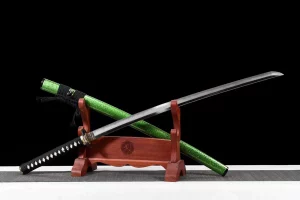
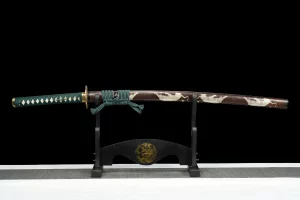
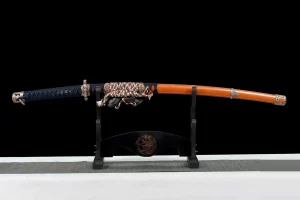
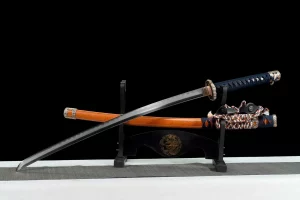
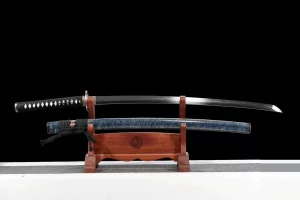
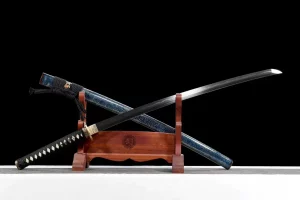
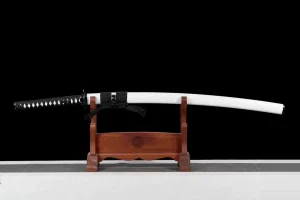
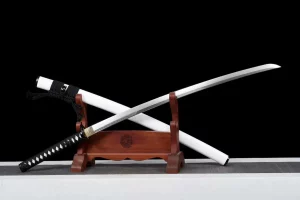
The katana is the most recognised blade ever carried, and the one we return to most often at the forge. Long, single-edged, gently curved and worn cutting edge upward, it is less a weapon in the abstract than a record of the hand that made it. Every sword here is hand-forged and heat-treated as a working blade should be, built to the logic the old smiths worked to: hard steel where it cuts, tougher steel where it absorbs a blow.
What follows is the plain account of how a Japanese katana earns that reputation and how to read one before you buy. Whatever your level, our how to choose a katana and steel guide pages go further than any sales pitch.
History & Symbolism
The katana came into its own in feudal Japan as the principal sword of the samurai, and for centuries a marker of who he was. Paired with the shorter wakizashi, the two formed the daisho, the matched long-and-short set only the samurai had the right to carry: the wakizashi for close quarters, the katana for open ground.
The way it was worn tells you how it was meant to work. Thrust through the sash edge-up, it could be drawn and cut in a single committed motion rather than two, a detail that shaped generations of swordsmanship and partly explains why the curve, the sori, sits where it does. For the bushi the sword was the soul of the warrior, and that restraint is the register we keep.
Craftsmanship & Steel
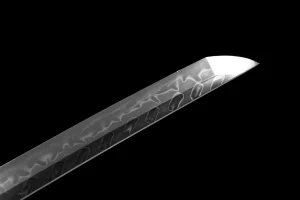
A katana is only as honest as its steel and its heat treatment, so we are exact about both and forge across the full spectrum. T10 is a tungsten-bearing high-carbon steel, tough and forgiving, which is why it takes a clay-temper so cleanly. 1095 is high-carbon, very hard and holds a keen edge, though more brittle. 1060, a mid-carbon steel, is durable and forgiving, the one we point beginners to. Folded Damascus shows a layered, flowing grain that earns its place on the wall and at the cutting stand alike. For the most demanding use there is 9260 spring steel, which flexes hard, returns true and is genuinely hard to break, plus manganese steel, prized for its resilience.
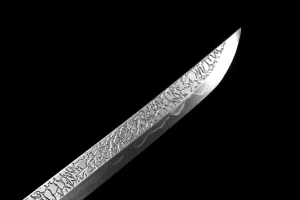
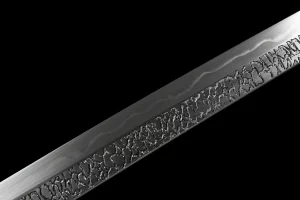
Where a blade is clay-tempered, the spine is coated before the quench so the edge cools faster than the body. The result is differential hardening: a hard cutting edge, the ha, against a softer, tougher spine, the mune. The line dividing them is the hamon, born in the quench rather than etched on afterwards. Construction matters as much as alloy: each blade is full-tang, the steel of the nakago running unbroken into the handle so blade and tang are one piece. Many are cut with a bo-hi, the groove that lightens the blade and shifts its balance towards the hand. The fittings, the tsuba, tsuka, habaki and saya, are chosen to match the blade rather than to flatter it. For the full sequence from billet to polish, see our how it is forged guide.
Our Collection
This category gathers our hand-forged katana, and we have arranged the wider range so you can buy by where you actually are. If you are starting out, the beginner katana range is built around forgiving steels and clean, reliable fittings at a fair price. When you want a blade to grow into, the mid-range katana tier steps up the steel and the finish. For the collector or serious practitioner, the master-grade katana swords are our most considered work, clay-tempered and finished by hand. Beyond the long blade, the companion wakizashi completes a daisho. Unsure which steel suits you, read the steel guide, then let our how to choose guide match a blade to you.
On the legal point: it is legal to buy and own a katana in the United Kingdom provided the buyer is 18 or over, and our genuine hand-forged, traditionally made blades fall under the exemption for swords made by traditional methods.
Frequently Asked Questions about Katanas
Is a katana legal to buy and own in the UK?
Yes. It is legal to buy and own a katana in the United Kingdom provided the buyer is 18 or over. Genuine hand-forged blades made by traditional methods, like ours, fall under the exemption for traditionally made swords. This is general guidance rather than legal advice, so do confirm the rules that apply where you live before ordering.
Are your katanas full-tang and battle-ready?
Every katana we forge is full-tang: the steel of the nakago runs unbroken into the handle as one continuous piece, never a stub pinned in place. Our higher tiers are heat-treated and tempered for real cutting, and each product page states whether a blade is for display or built to cut. For tameshigiri, choose from the mid-range or master-grade tiers.
What steel is best for a katana?
It depends on what you want the blade to do, which is why we forge several. For a first sword, 1060 mid-carbon is durable and forgiving. For a hard, keen edge, 1095 high-carbon excels but tolerates abuse less well, while T10 takes a clay-temper beautifully and stays tough. For a blade that flexes and refuses to snap, 9260 spring steel is the most durable choice. Our steel guide compares them in detail.
How do I maintain a katana properly?
Keep the blade clean, dry and lightly oiled so the bare steel never sits exposed to moisture, and handle it by the tsuka rather than the polished surface to avoid fingerprints etching in. Wipe it down after cutting and store it edge-up in the saya in a dry room. Our care guide sets out the oil, cloth and rhythm of upkeep.
What is the difference between a katana and a tachi?
They are close relatives separated mostly by era and by how they were worn. The tachi is the older cavalry sword, generally longer and more deeply curved, slung edge-down from the belt. The katana that followed was worn thrust through the sash edge-up, ready to draw and cut in one motion, which suited foot combat. As a rule of thumb the mei, the signature on the nakago, is cut on the side facing outward when worn, so a smith signs the two on opposite faces.
Choose Your Japanese Katana
Weigh the steel and construction, then choose the blade that matches your purpose. Explore the full Japanese katana collection, and if you are deciding, let our how to choose a katana guide point the way.