
Master-Grade Katana
Showing all 34 results
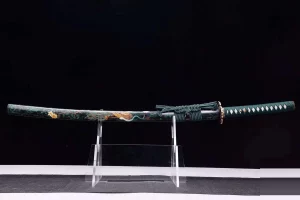

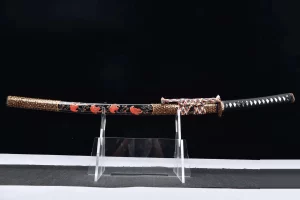
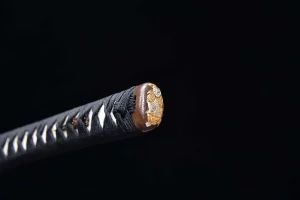
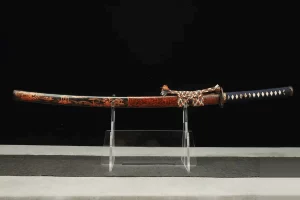
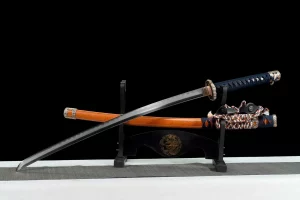
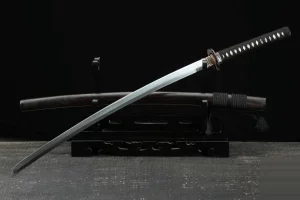
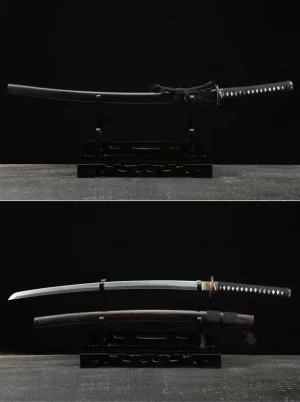
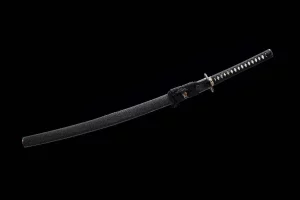
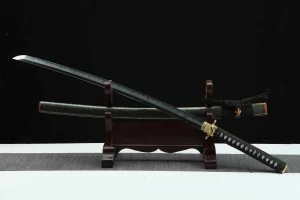
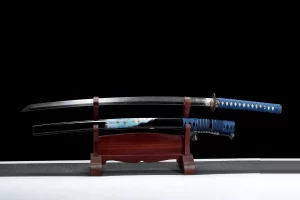
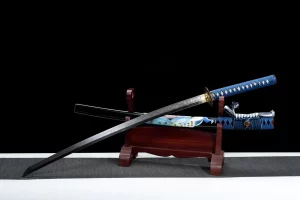
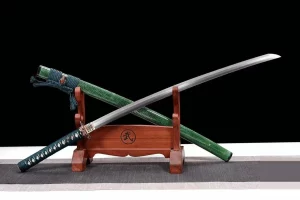
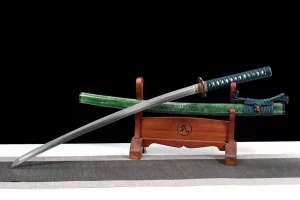
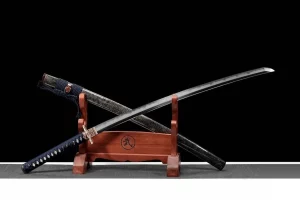
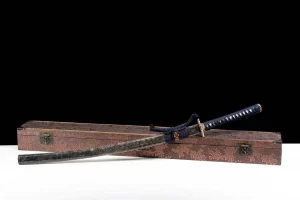
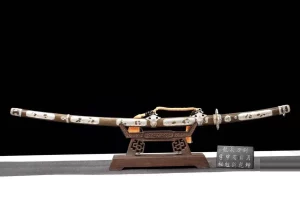
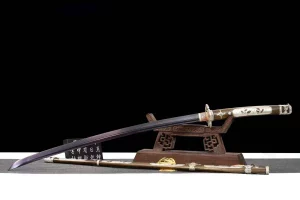
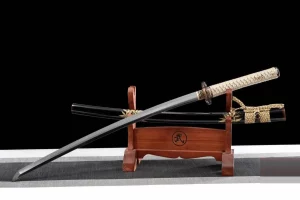
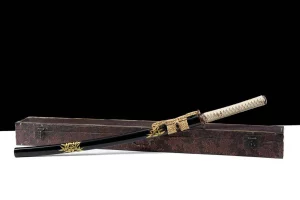
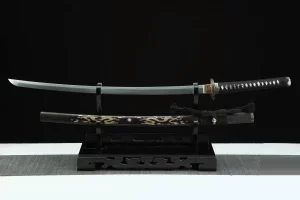
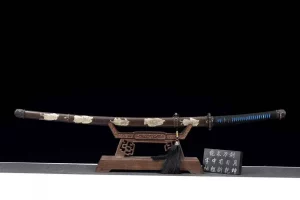
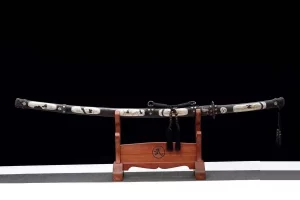
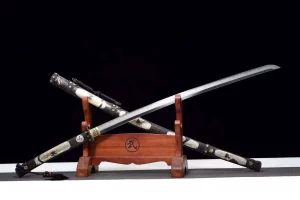
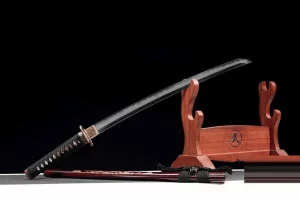
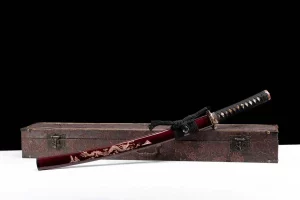
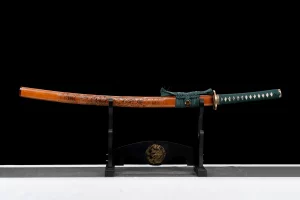
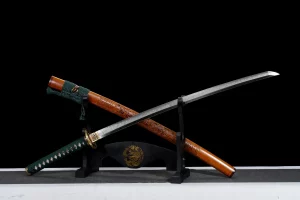
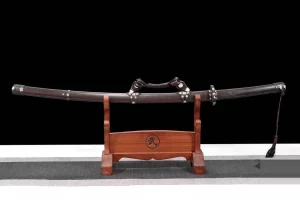
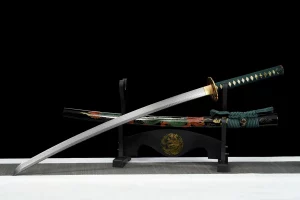
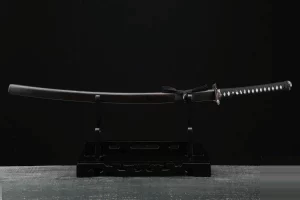

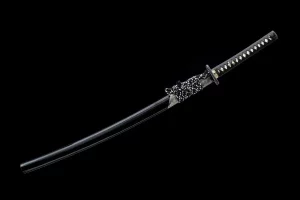
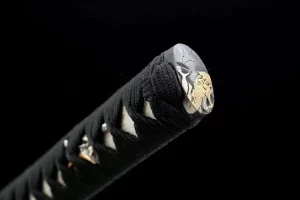
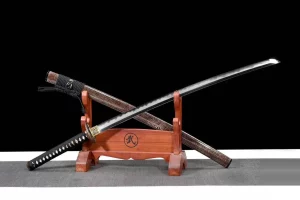
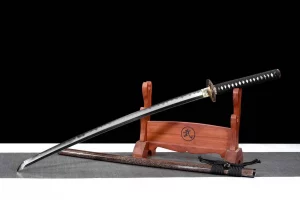
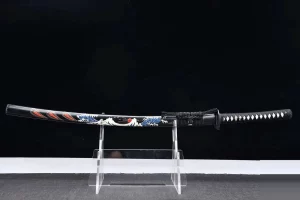
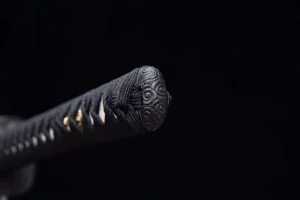
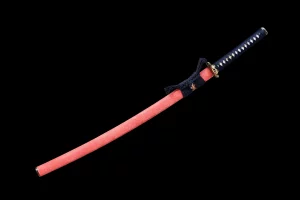
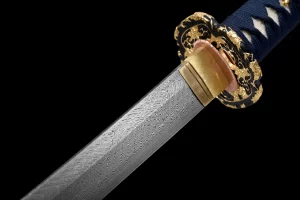
Showing all 34 results
Master-Grade Katana: the summit of the forge
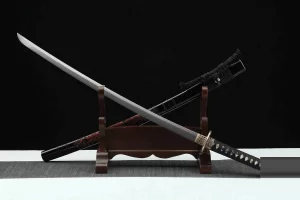
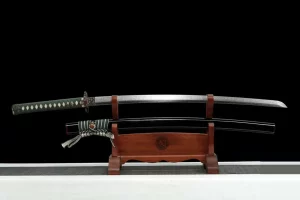
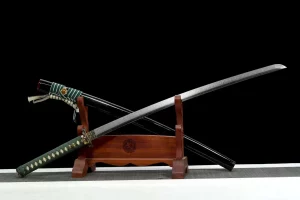
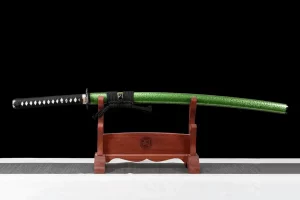
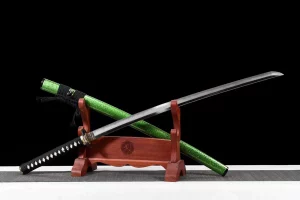
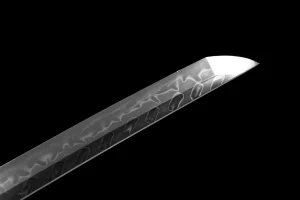
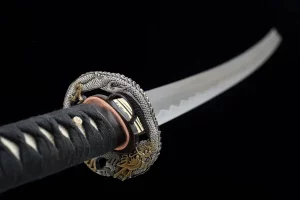
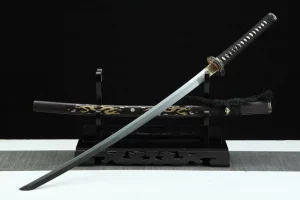
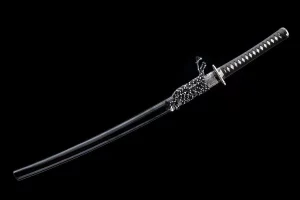
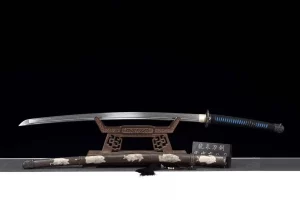
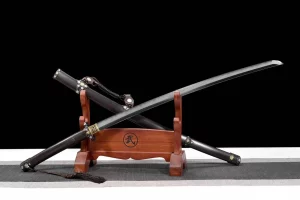
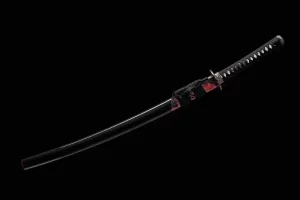
This is where the work goes quiet and the hours go up. A master-grade katana is the piece a smith makes when nothing is being rushed and nothing is being hidden: folded steel worked until the grain flows like water, a clay-temper that earns its hamon in the quench rather than borrowing one from an acid bath, and a hand mirror-polish that takes the surface to a depth a machine cannot reach. Every blade in this collection is built to be looked at closely and, where appropriate, to be cut with for a lifetime.
If you are weighing up which level is right for you, read this as the top rung of a ladder. Newcomers and first cutters are better served lower down; the connoisseur, the long-time practitioner and the serious collector come here. Below we set out what actually separates a master-grade sword from a competent one, how the steel and the craft work, and who these blades are for.
History & Symbolism
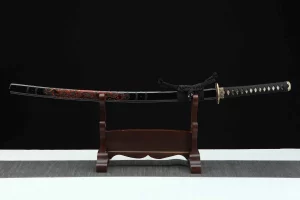
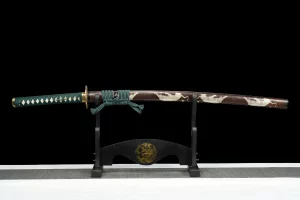
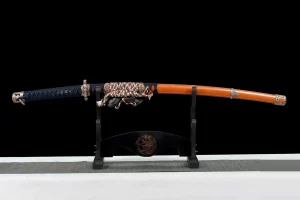
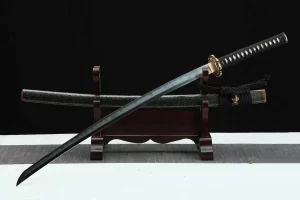
The katana was never only a weapon. In feudal Japan the finest blades were heirlooms, diplomatic gifts and the visible proof of a smith's name, signed in the mei cut into the tang. A great sword carried lineage. Our master-grade pieces reach back to that idea rather than to fantasy: tachi-leaning profiles with a generous sori, fittings chosen for harmony rather than spectacle, and a restraint that lets the steel speak. The result is a sword that reads as an object of culture first and a possession second.
Craftsmanship & Steel
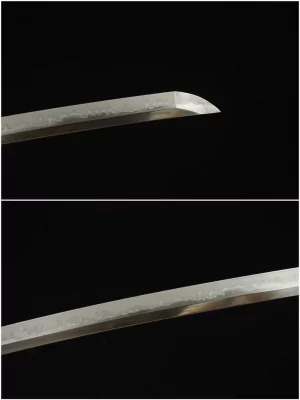
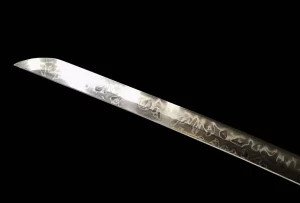
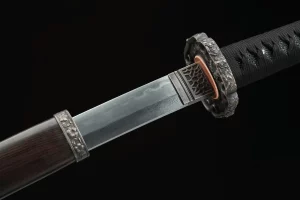
What you are paying for is time and judgement. At this tier we work folded Damascus for its layered, flowing grain — beautiful on display and entirely sound for cutting — alongside through-hardened high-carbon and tough, clay-temper-friendly steels. The defining step is genuine clay-tempering: the spine is coated thick and the edge thin, so the ha hardens keen while the mune stays softer and forgiving. That differential hardening is what produces a real hamon, born in the quench, not etched on afterwards.
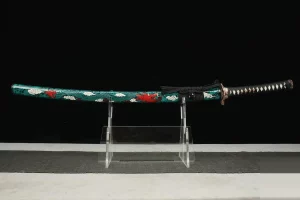
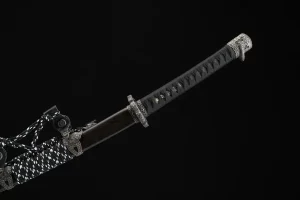
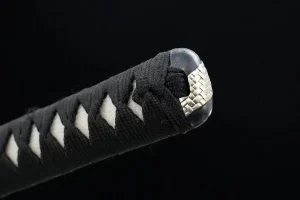
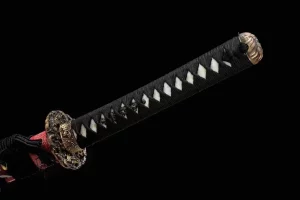
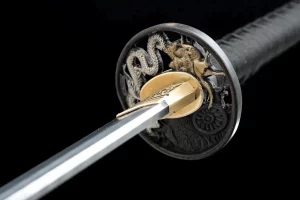
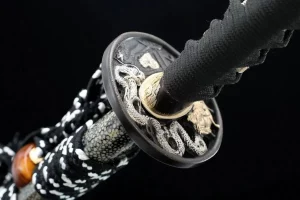
Every master-grade blade is full-tang and finished by hand: a true mirror-polish that brings up the activity in the steel, a precisely fitted habaki, and premium tsuba, tsuka and saya selected to match the blade. Many carry a bo-hi to lighten and balance the swing. If you want the full picture, our how it is forged walkthrough and the steel guide explain each decision in plain terms.
Our Collection
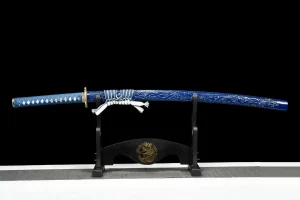
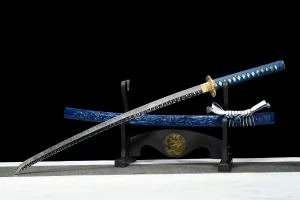
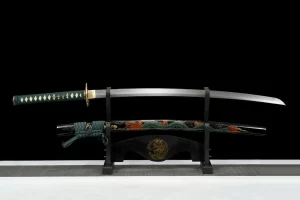
These 34 swords are made for advanced collectors, serious cutters and connoisseurs — people who already know what they are holding. The price reflects the labour: extended folding, hand clay application, a multi-stage hand polish and hand-fitted mountings cannot be hurried, and they are not. If this is your first sword, start with the beginner katana range, where forgiving steels do the learning for you. Ready to commit to a daily cutter or a first serious display piece without reaching the summit, look to our mid-range katana tier — the natural step before this one. When you want the best the forge makes, this is the shelf you climb to.
Frequently Asked Questions about master-grade katana
What makes a katana "master grade"?
Master grade describes the top of our forge: extended hand-folding or true Damascus, genuine clay-tempering with a real hamon, a multi-stage hand mirror-polish, and premium hand-fitted mountings. It is defined by labour and finish, not by a louder appearance. In short, every step that can be done by hand is, and the steel is the best we work.
Are master-grade katanas hand-forged and clay-tempered?
Yes. Every blade at this tier is hand-forged and full-tang, and the headline pieces are clay-tempered, meaning the edge and spine are differentially hardened. That gives you a keen, hard edge with a tougher spine and an authentic hamon born in the quench rather than applied as a surface effect.
Is folded Damascus better than T10 or 1095?
Not better, different. Folded Damascus gives a layered, flowing grain that is stunning on display and fully capable of cutting. T10 (a tough, clay-temper-friendly tungsten high-carbon) and 1095 (very hard, holds a keen edge, slightly more brittle) are chosen for pure cutting performance. Choose Damascus for grain and presence, T10 or 1095 for edge behaviour; our steel guide compares them side by side.
Are master-grade katanas a good investment or collector piece?
They are built to hold their value as collector pieces. Hand-forged, hand-polished blades with premium fittings are scarce, age well and are prized by connoisseurs in a way mass-finished swords are not. We frame them as enduring objects to keep and enjoy rather than as financial instruments, but a well-kept master-grade blade tends to be the one a collection is built around.
How do I care for a master-grade blade?
Treat the polish and the steel with respect: keep the blade lightly oiled, wipe down fingerprints, store it edge-up in the saya away from damp, and never leave moisture on a mirror finish. A hand polish is the most delicate part of the sword, so handle it by the tsuka and avoid touching the bare steel. Our full care guide walks through oiling, storage and the routine that keeps a master-grade blade pristine for decades.
Reach the summit of the collection
When you are ready for the best the forge makes, browse the full master-grade katana collection — and if you are still climbing the ladder, the mid-range tier is the right next step before you arrive here.