
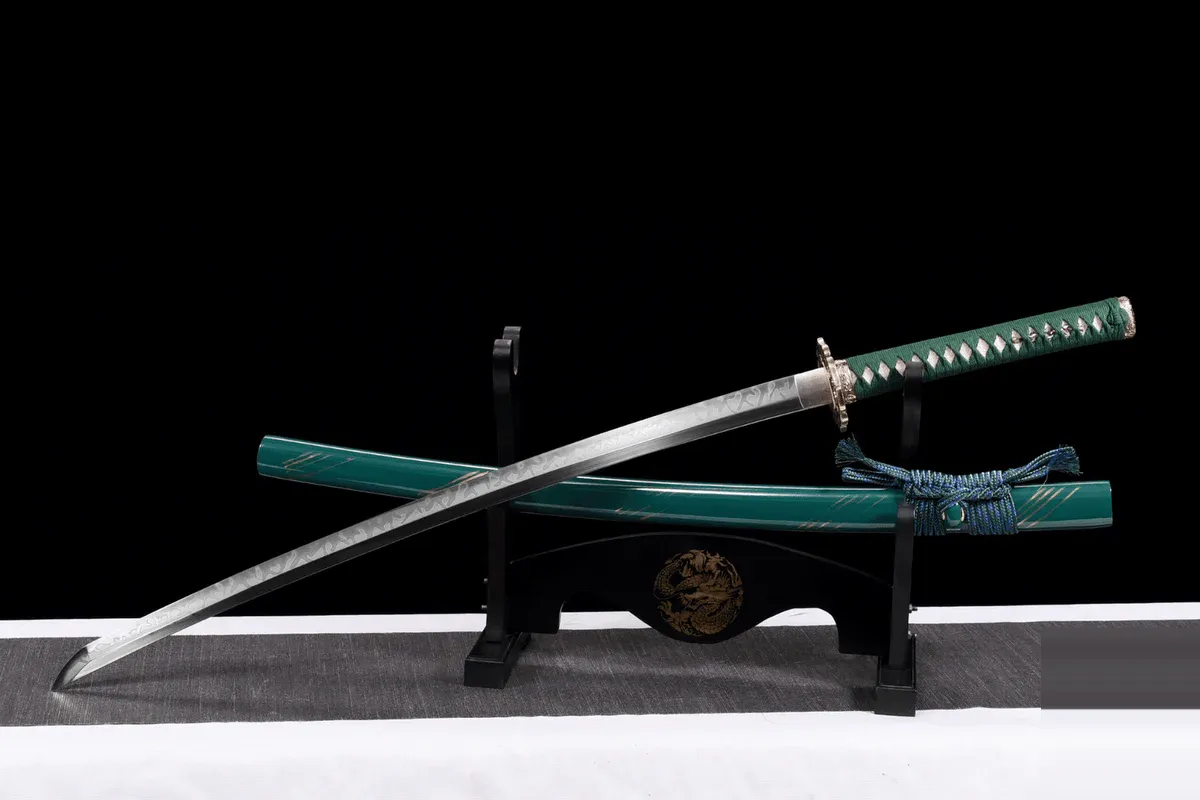
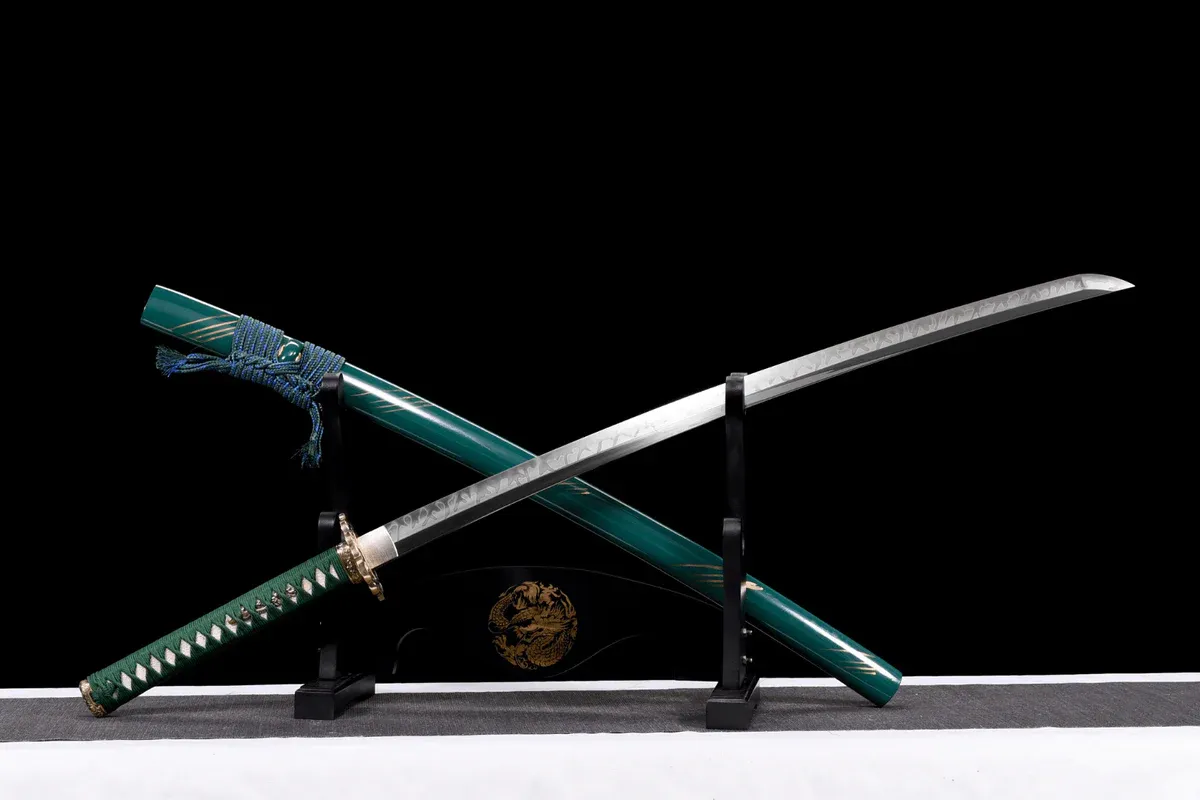
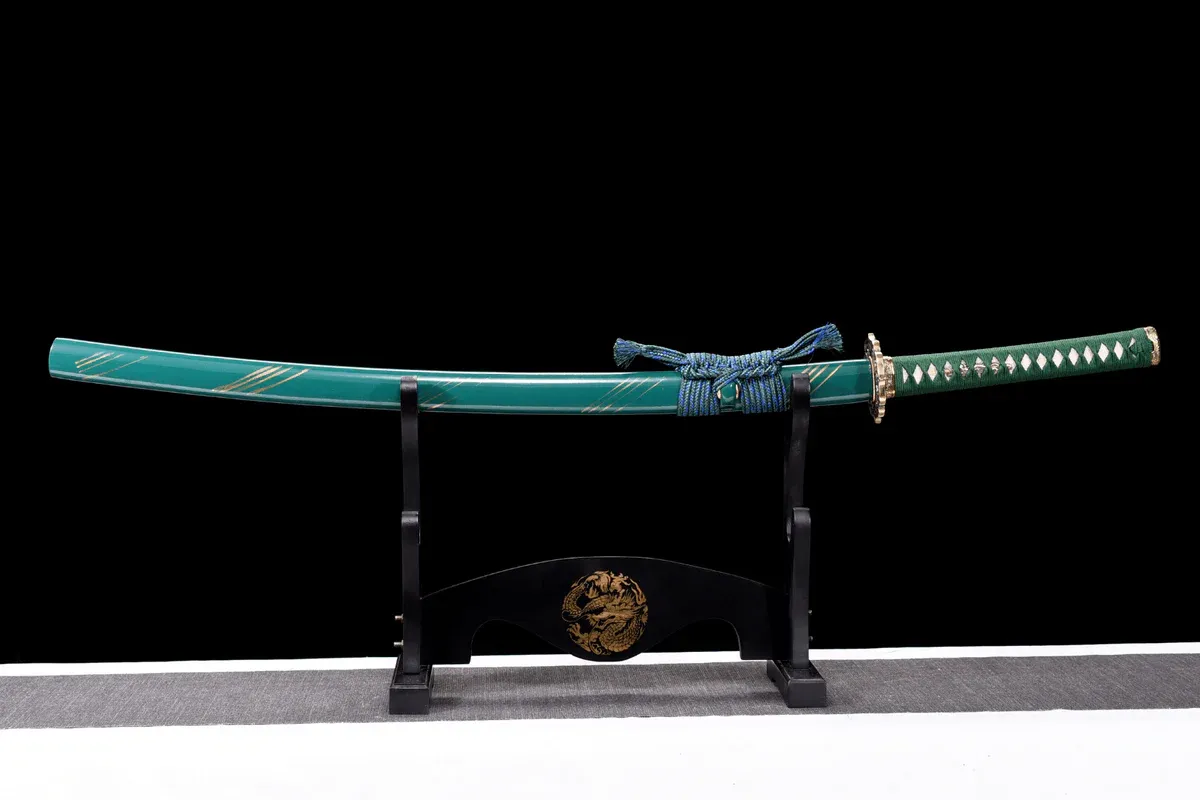
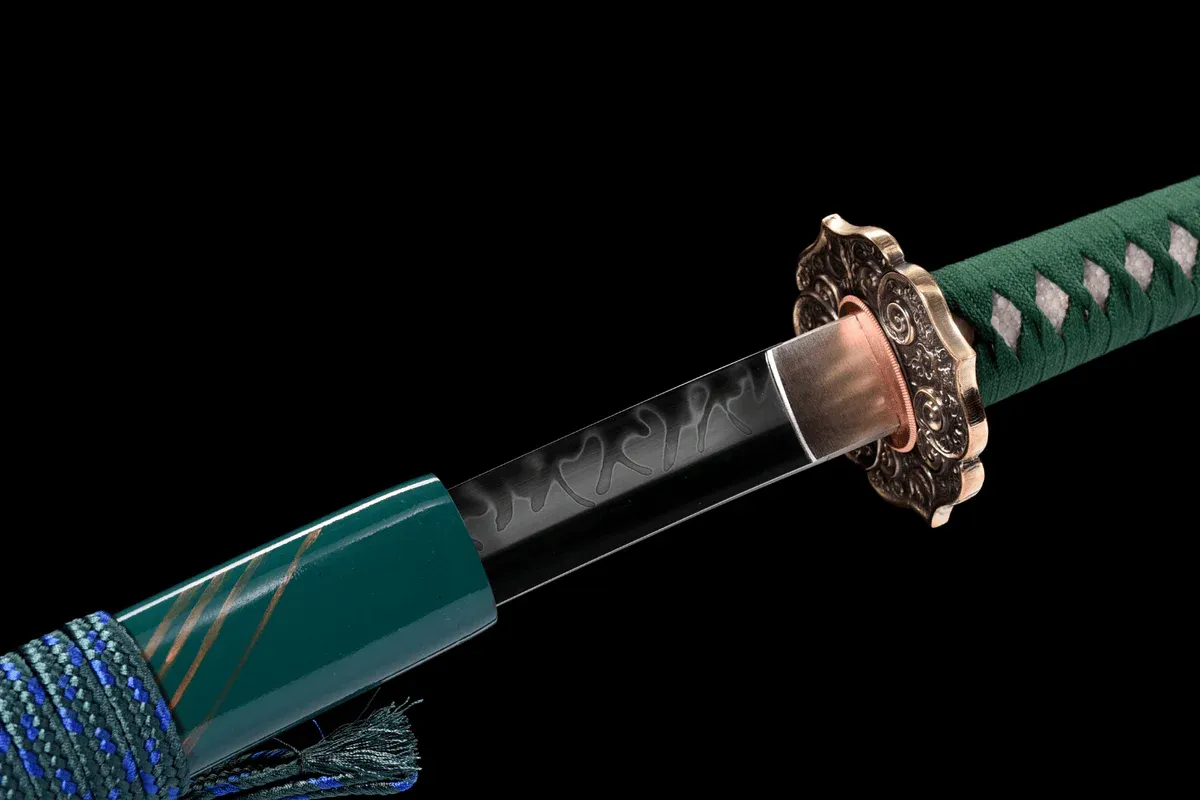
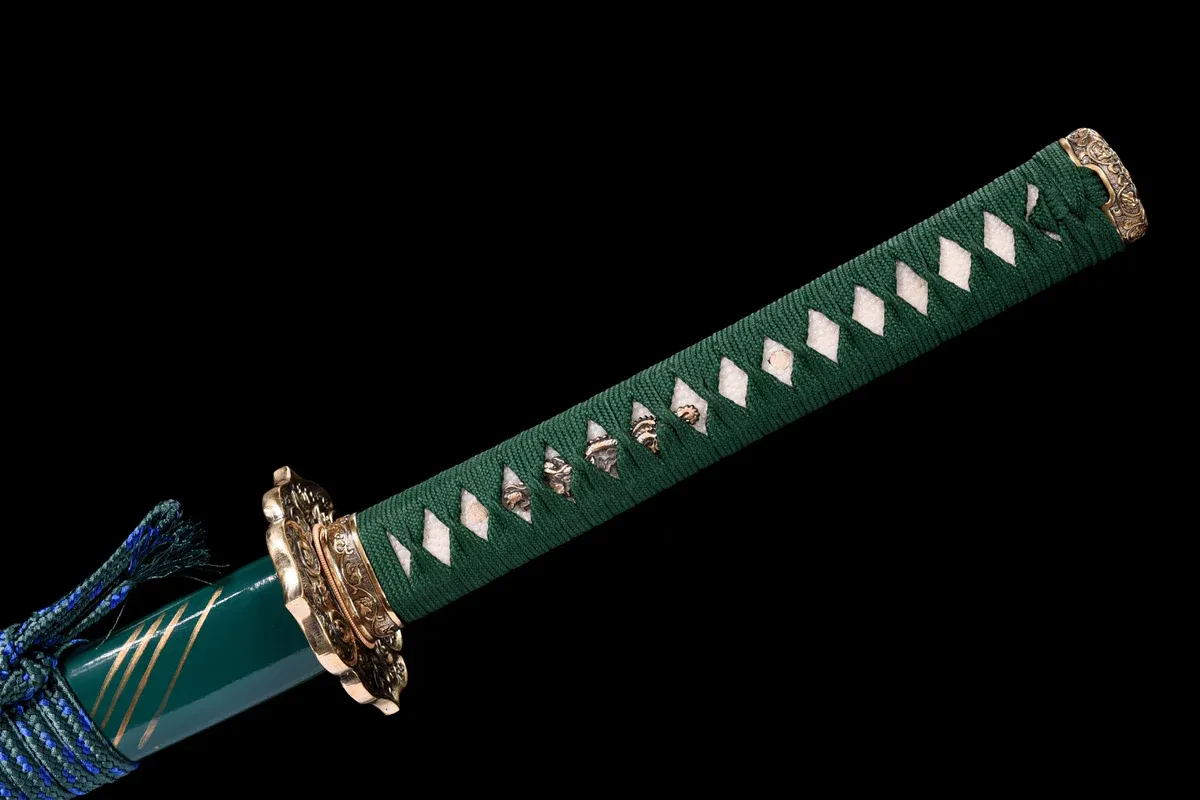
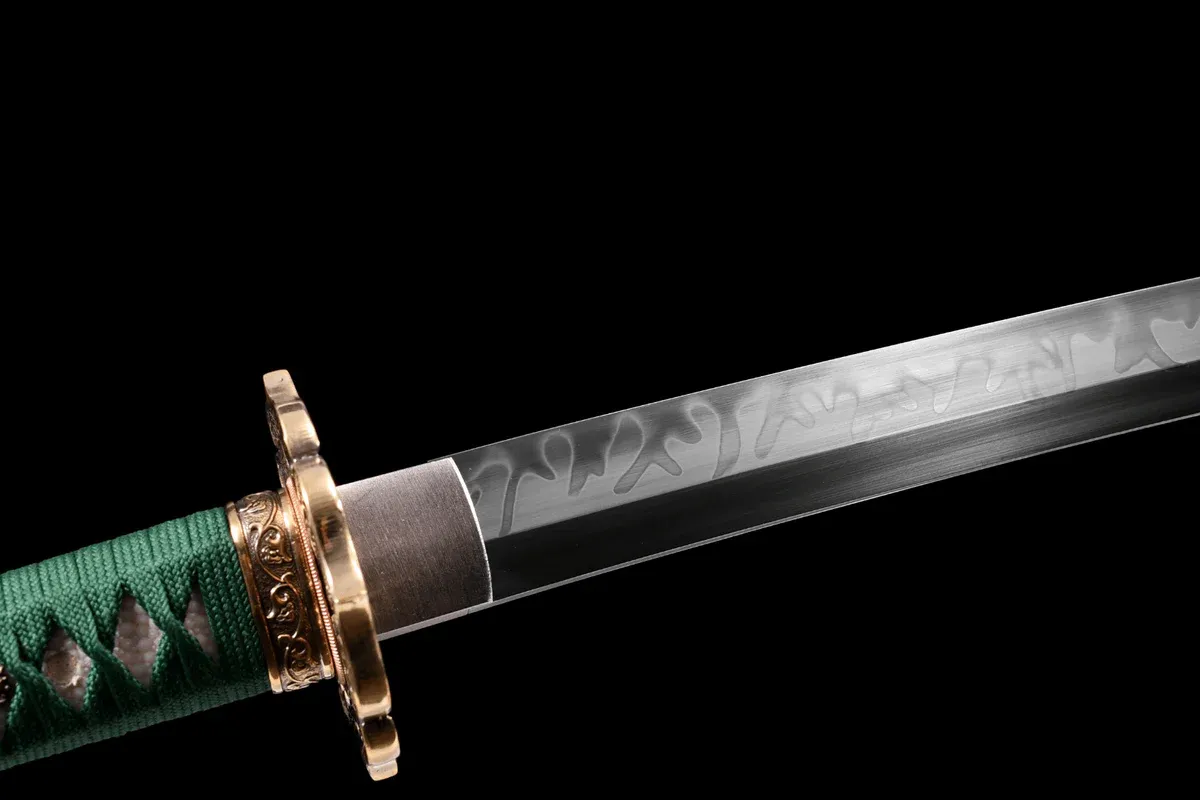
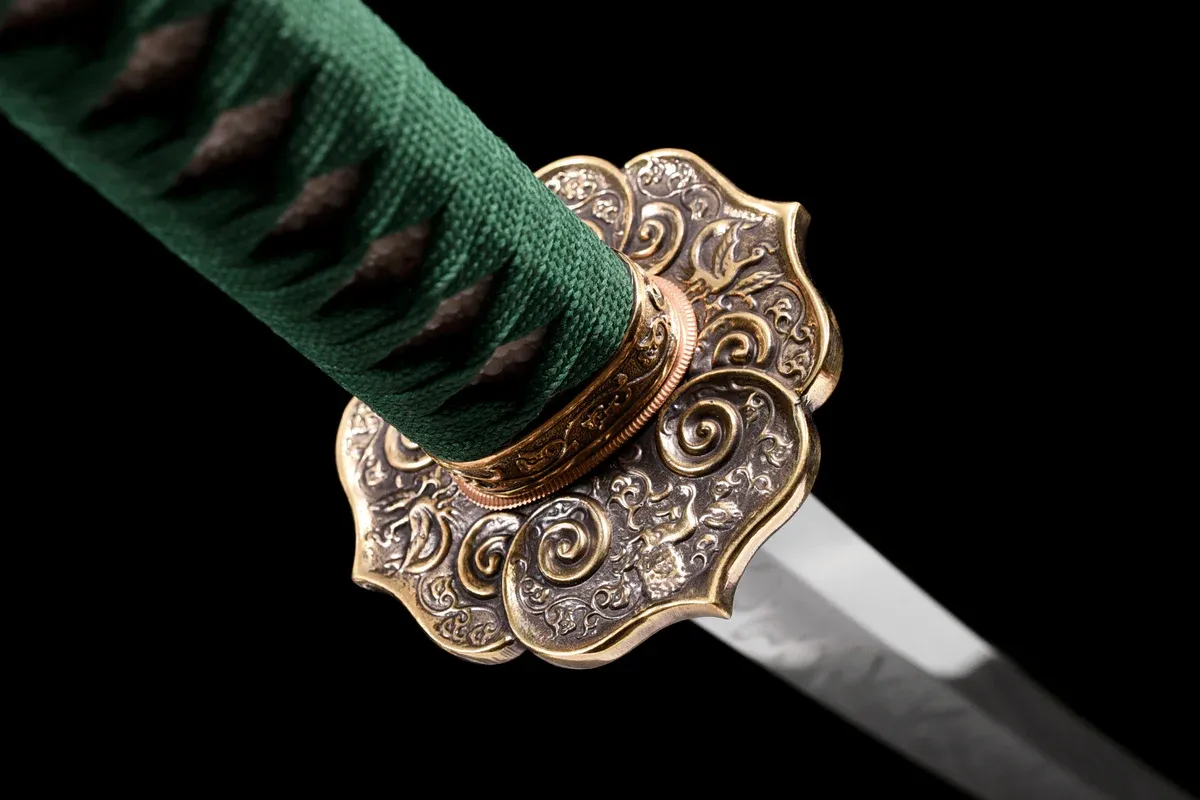
Emerarudo is the Japanese reading of emerald — エメラルド — and like the gem it is named for, this blade is about clarity and lasting hardness. It is a mid-range katana defined by an elegant T10 tool-steel blade known for strength and edge retention.
Forging & steel
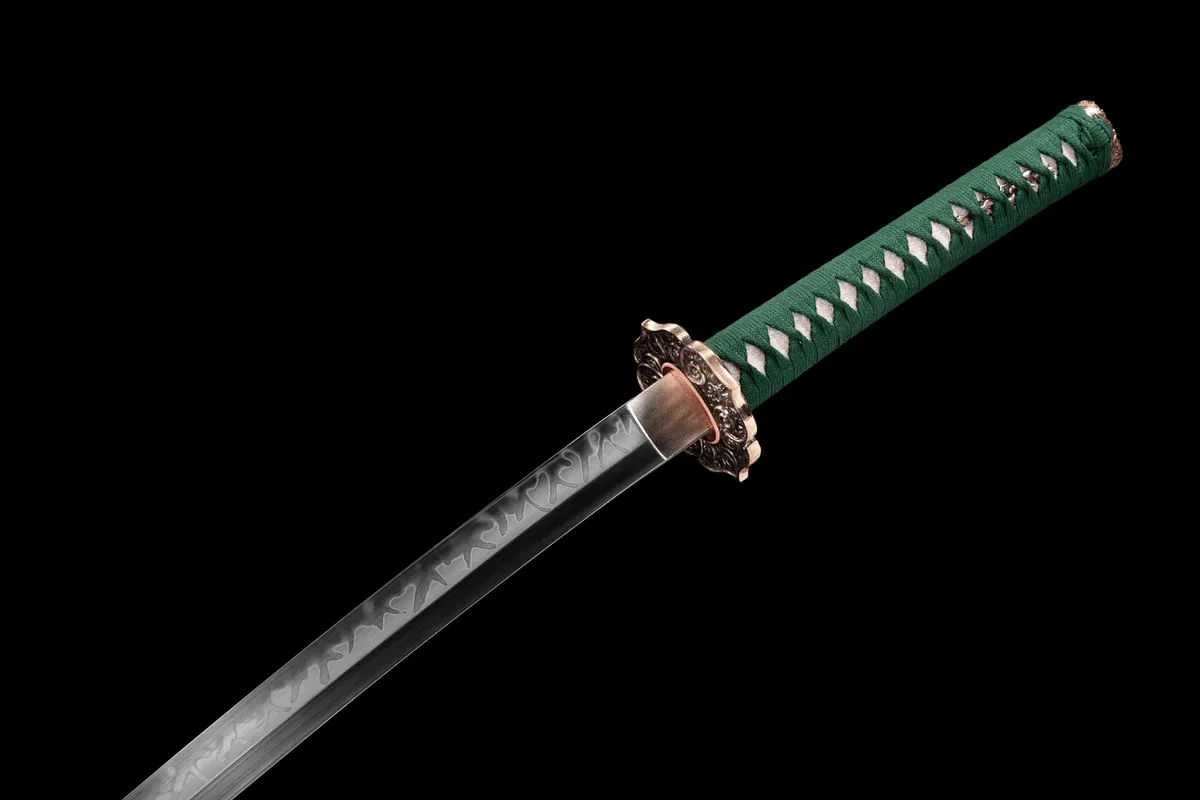
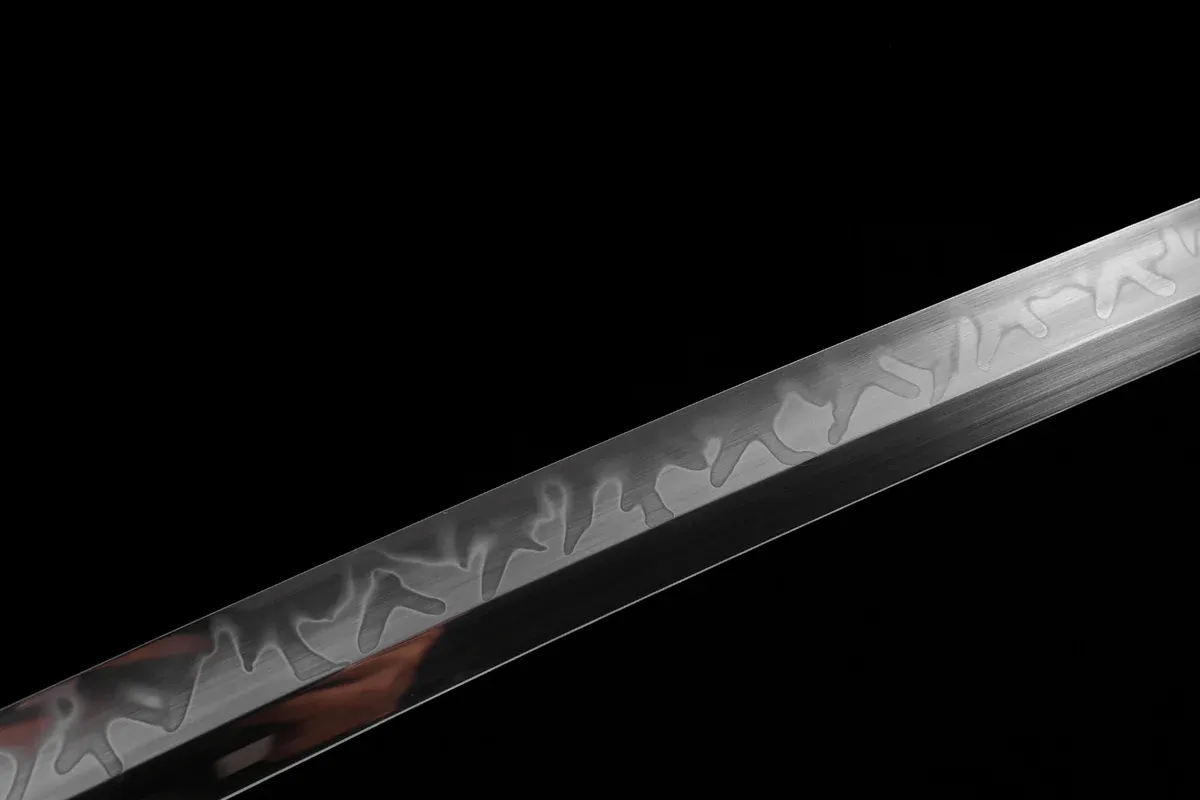
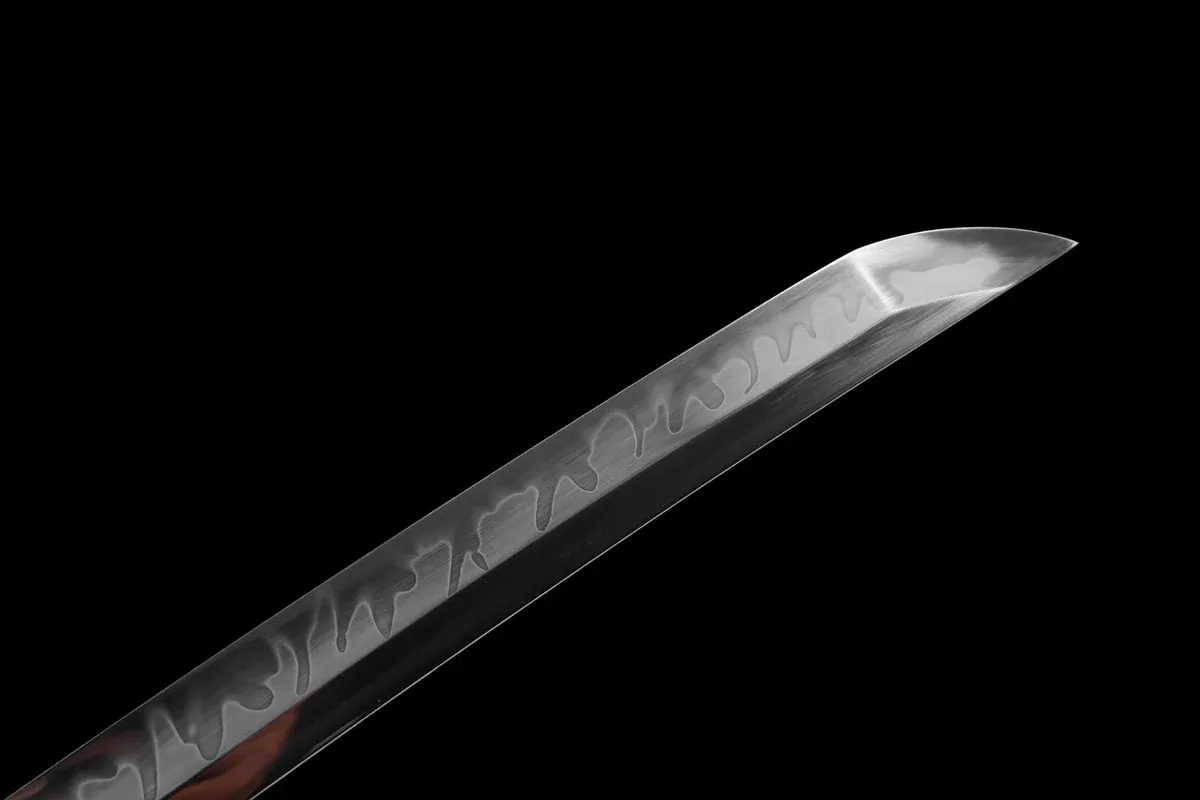
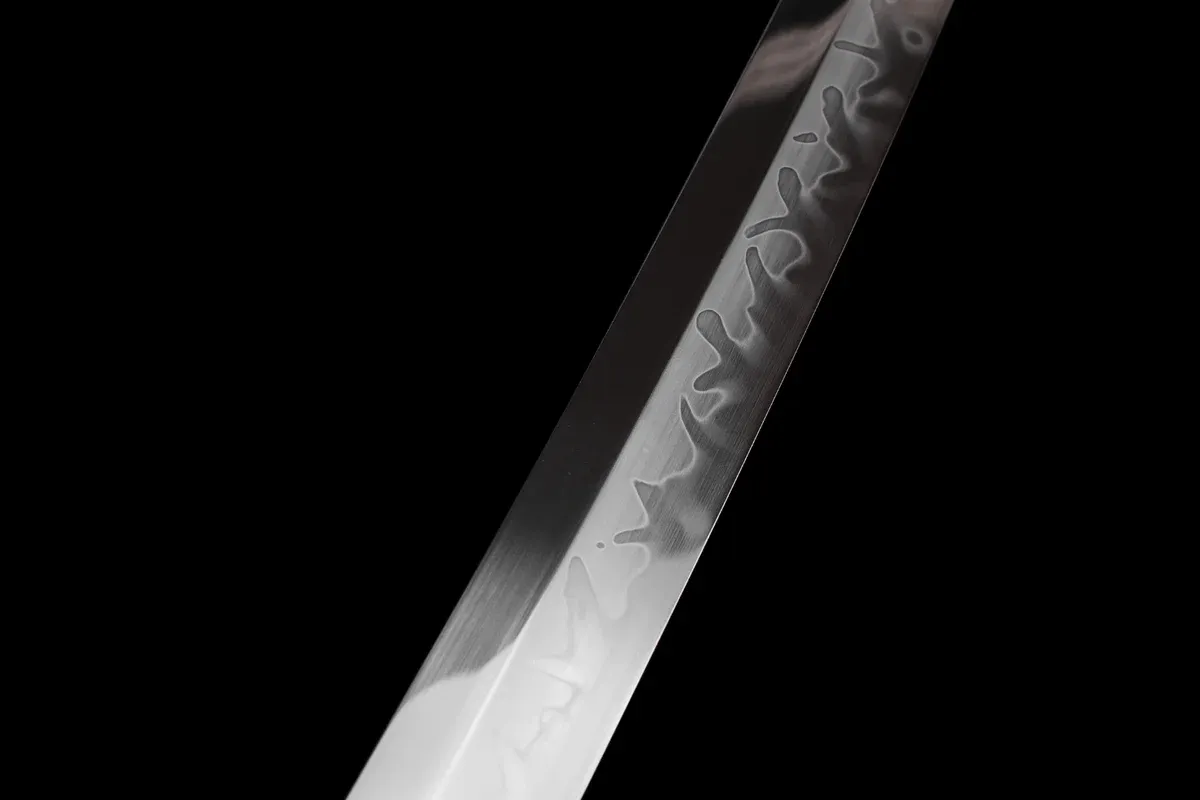
The blade is forged from T10 steel and carries a distinctive claw-motif hamon running the length of the 71 cm edge — the temper line born in the quench, drawn here into a clawed pattern by the way the clay is laid before hardening. T10’s high carbon content gives it the hardness to take and keep a keen edge, while the differential temper leaves the spine tougher so the blade absorbs the shock of a cut rather than chipping. That balance of a hard edge and a resilient body is what makes the steel a favorite for cutting katana at this tier.
Fittings
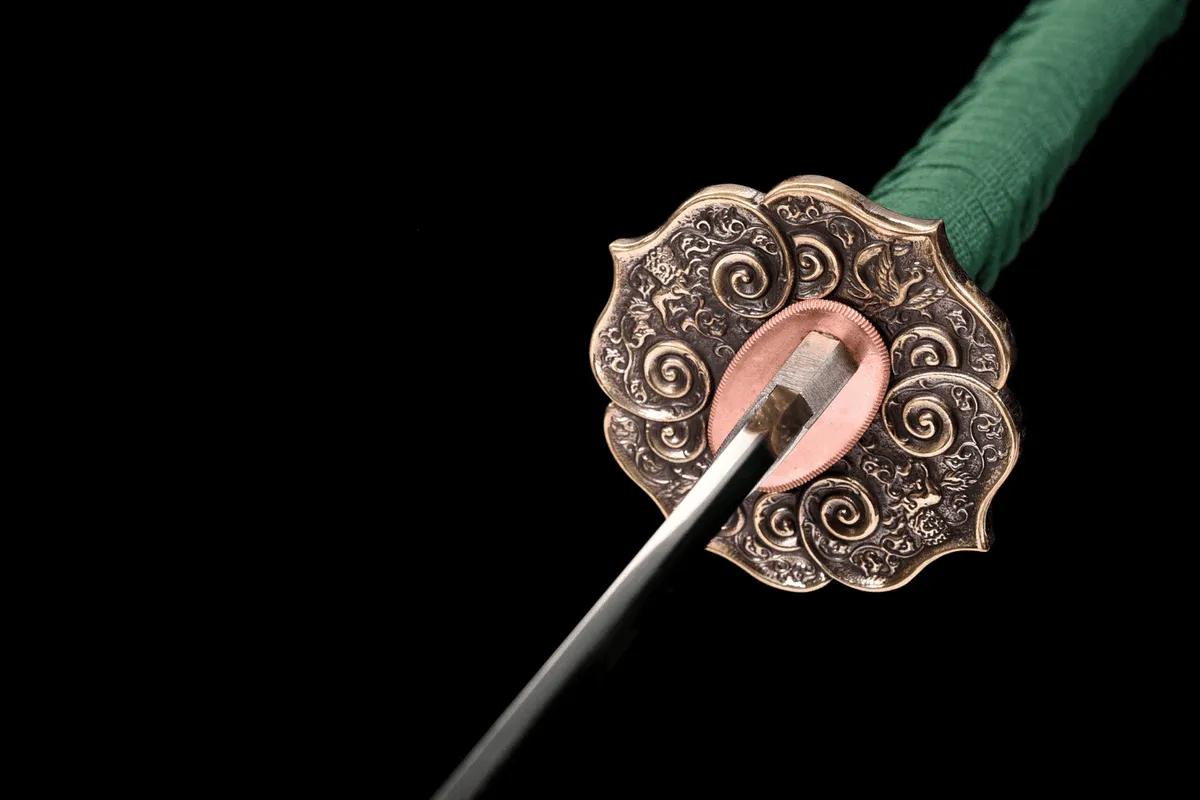
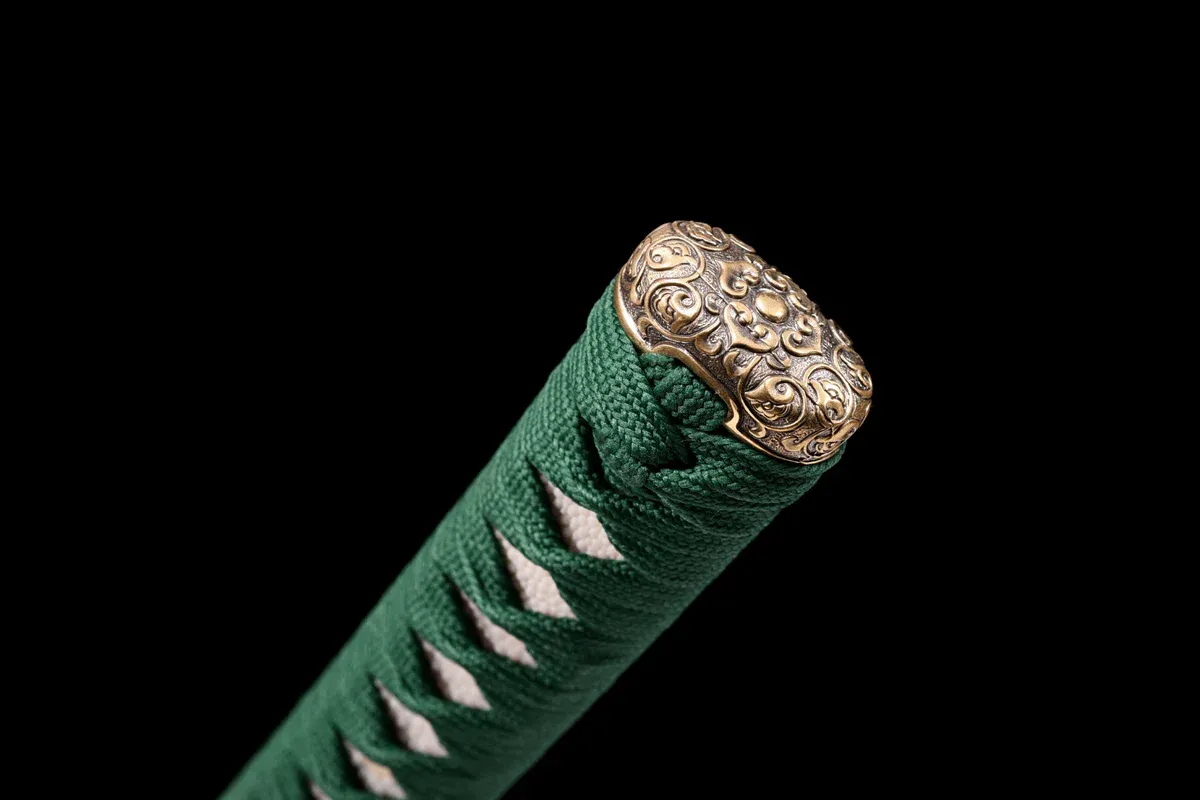
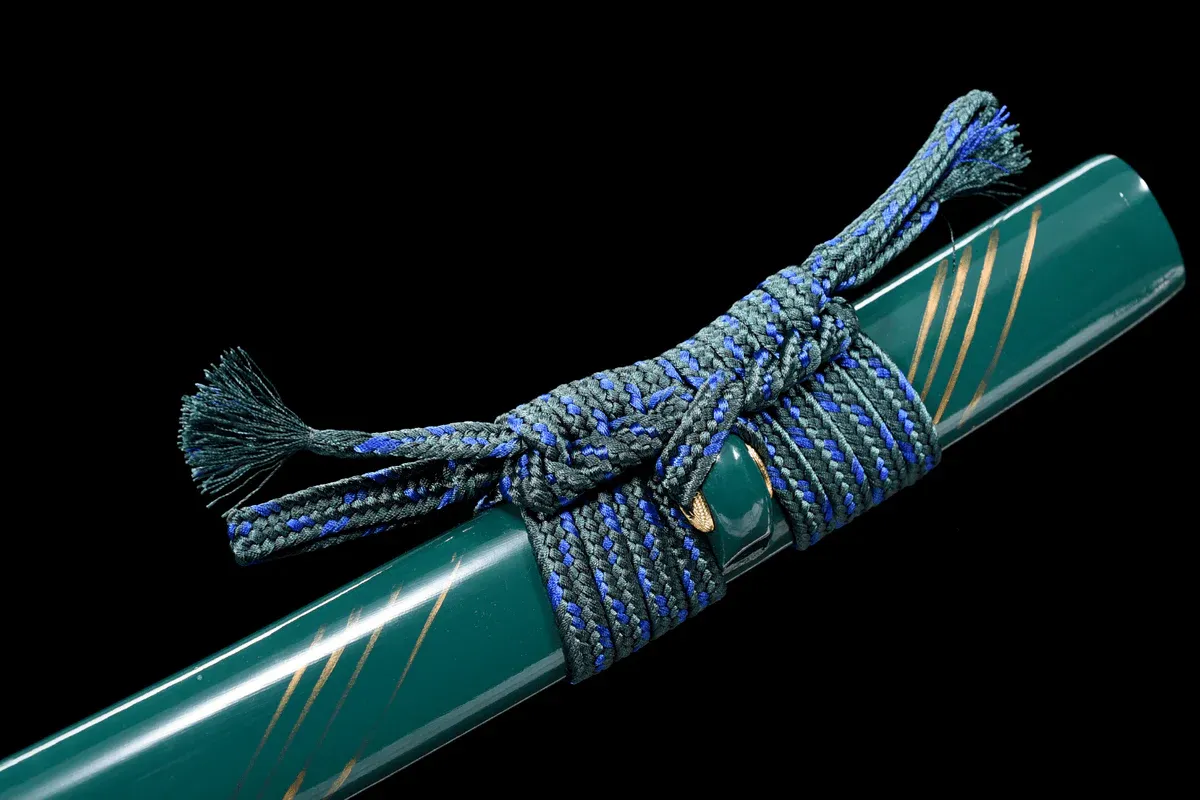
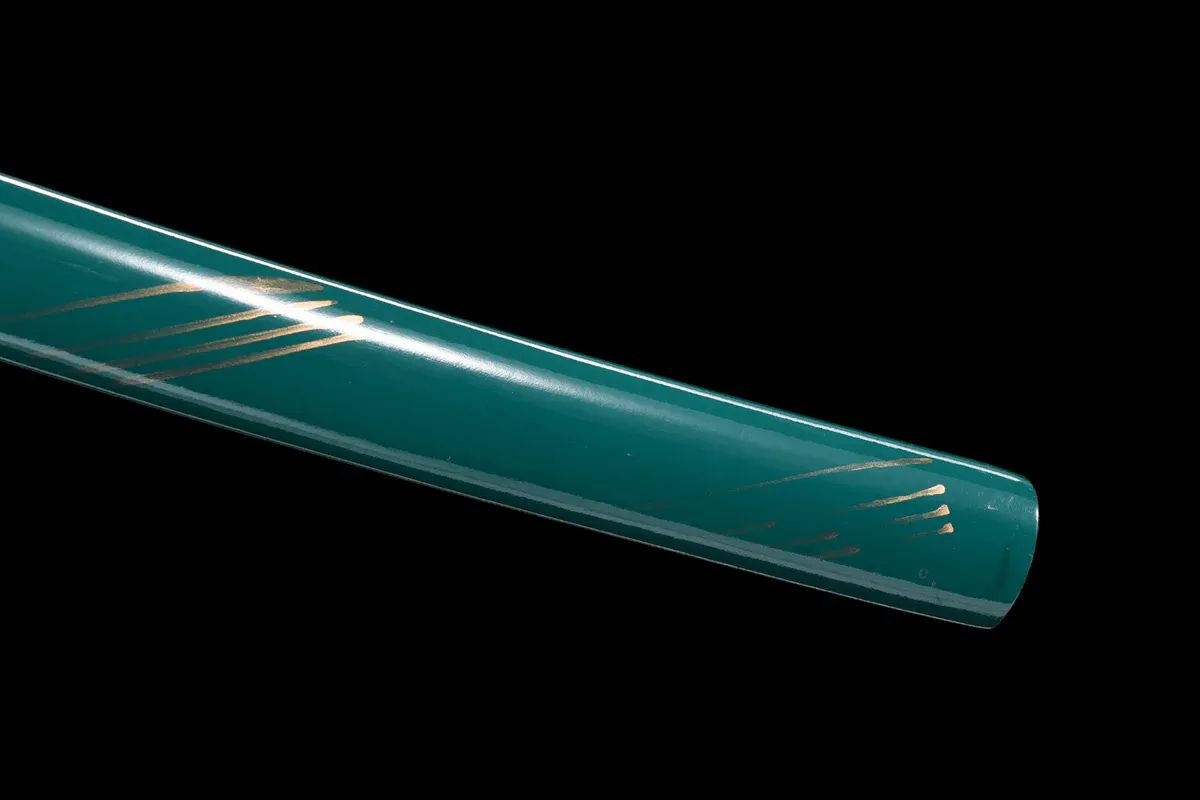
A finely sculpted copper tsuba guards the hand. The saya is lacquered wood hung with a cotton sageo; the tsuka wears genuine white shagreen over a copper menuki for a secure grip. At 103 cm with the saya and 1.4 kg, it is well-balanced and easy to handle, equally at home in a collection or in training.
Specifications
| Blade steel | T10 steel with claw-pattern hamon |
|---|---|
| Tsuba | Finely sculpted copper |
| Saya | Lacquered wood with cotton sageo |
| Tsuka | Genuine white shagreen, copper menuki |
Dimensions
| Total length | 103 cm |
|---|---|
| Blade length | 71 cm |
| Blade width | 3.2 cm |
| Blade thickness | 0.75 cm |
| Handle length | 26 cm |
| Weight | 1.4 kg |
Is it battle-ready?
Yes. T10’s hardness and the clay-drawn hamon make Emerarudo a capable cutter as well as a display piece, and its balance suits training. It shares its temper-line character with the Ray and the flame-hamon Ikoi. Browse the wider katana range.

 Verified owner
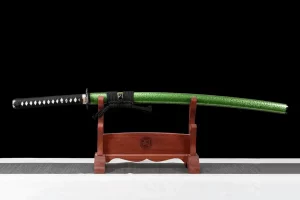
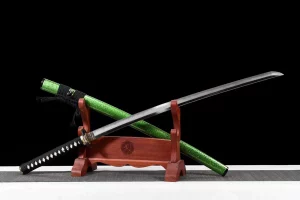
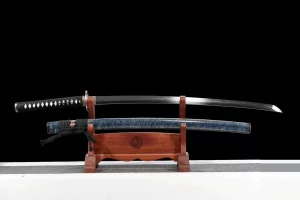
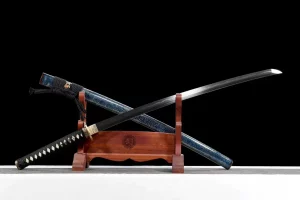
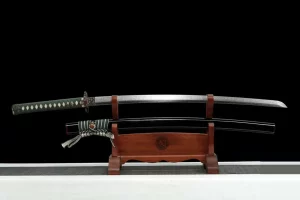
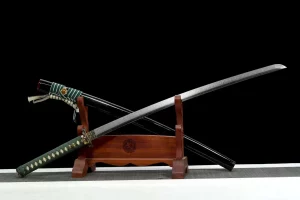
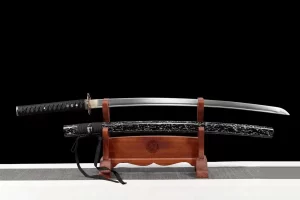
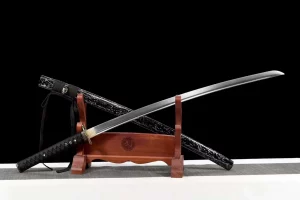
The katana is gorgeous, just like in the photo, and the engraving is perfect.
The only little hiccup was having to pay customs. It’s not much, but it would be a good idea to mention it at checkout.