
Beginner Katana
Showing 1–36 of 51 results
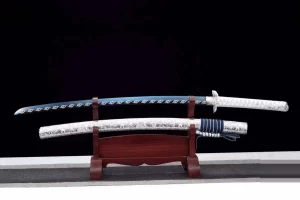
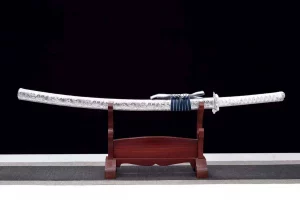
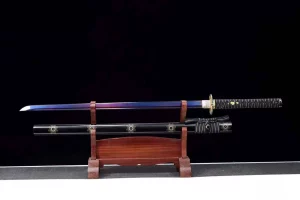
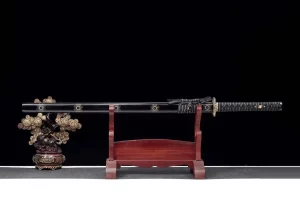
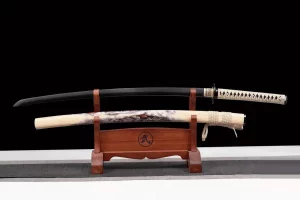
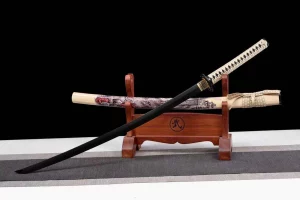
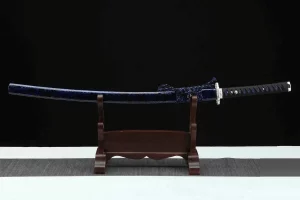
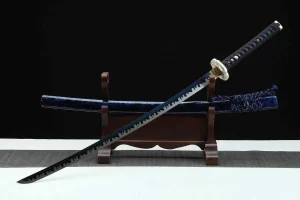
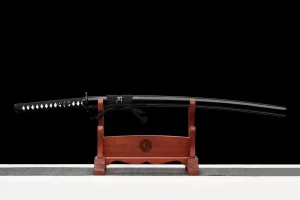
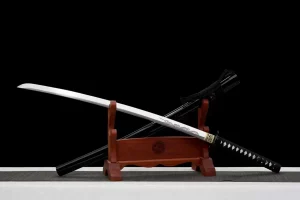
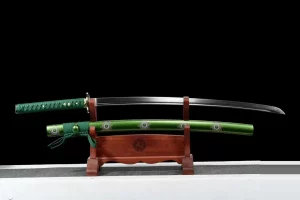
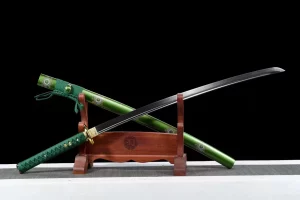
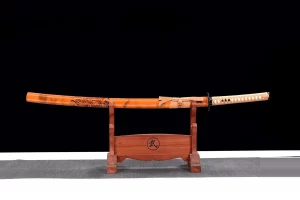
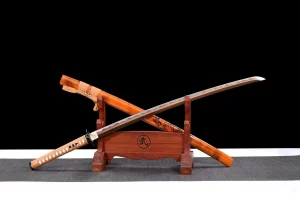
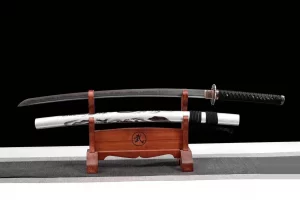
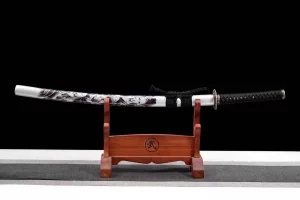
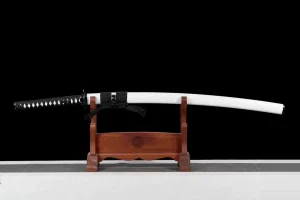
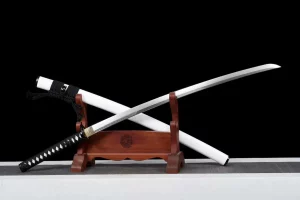
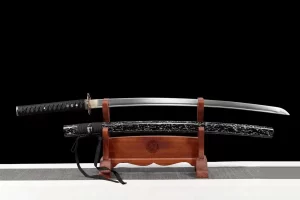
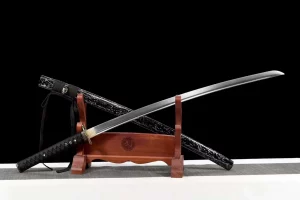
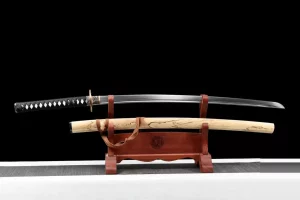
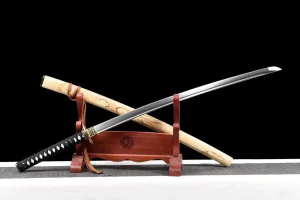
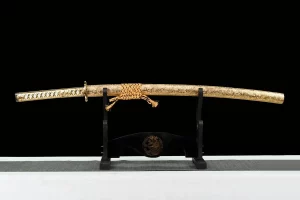
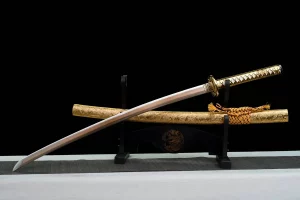
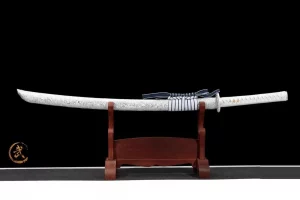
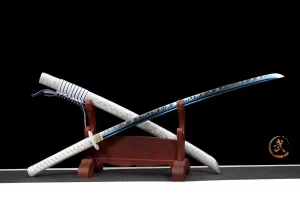
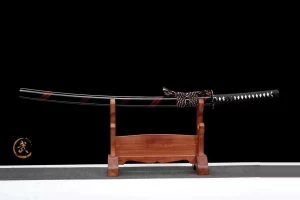
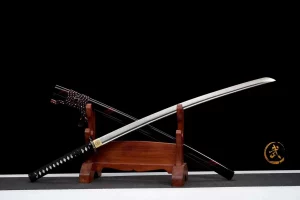
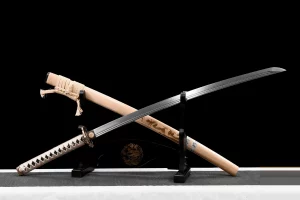
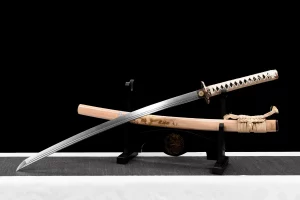
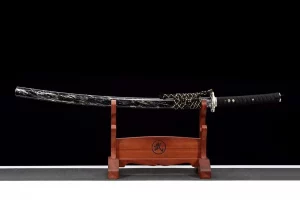
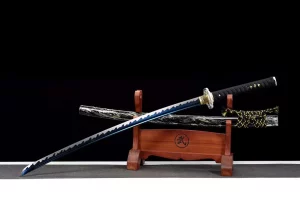
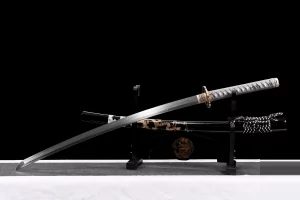
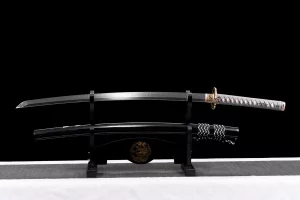
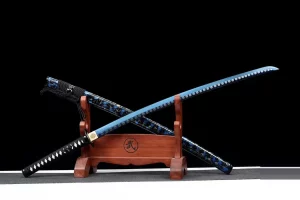
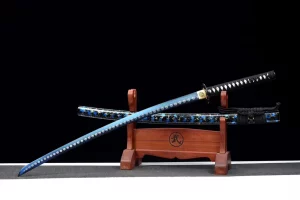
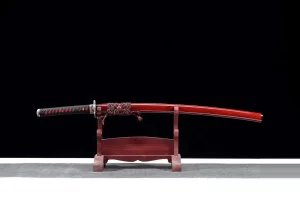
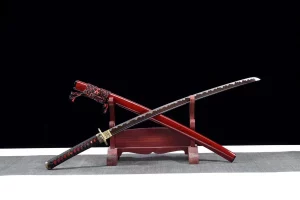
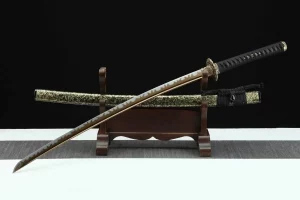
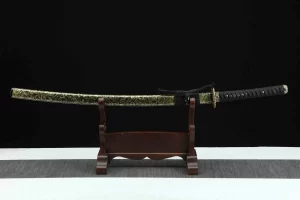
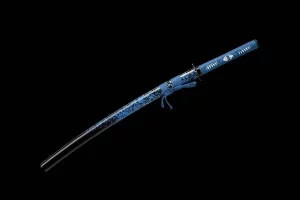
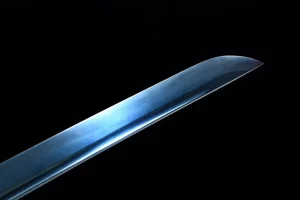
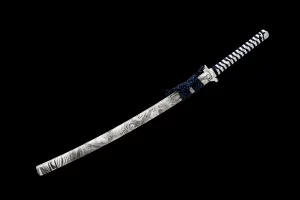
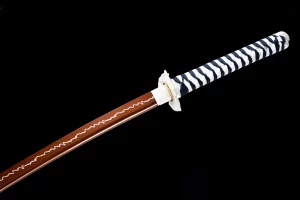
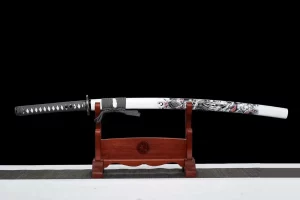
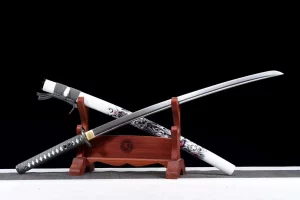
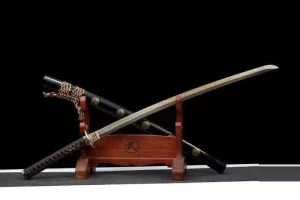
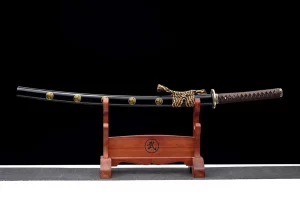
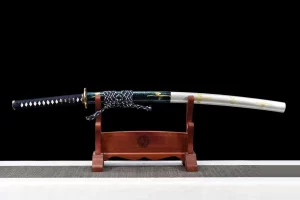
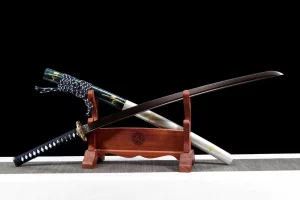
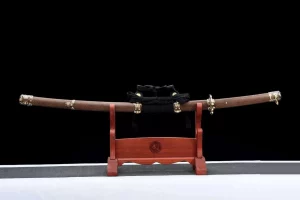
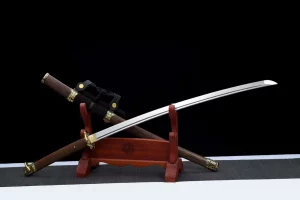
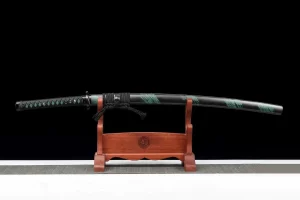
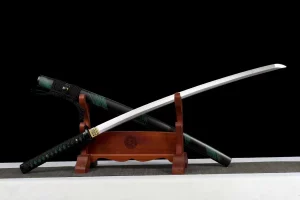
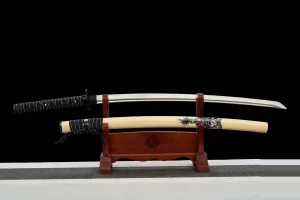
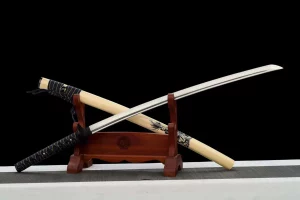
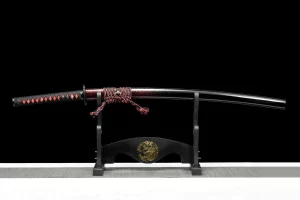
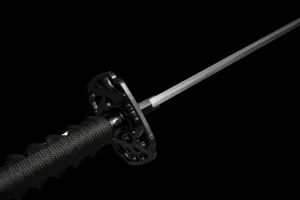
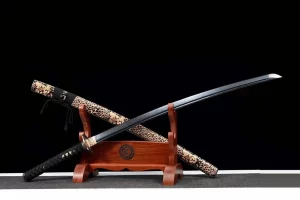
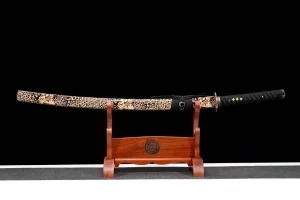
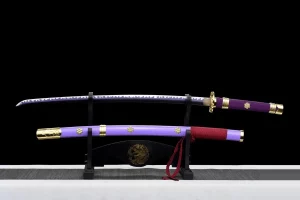
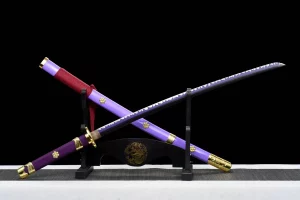
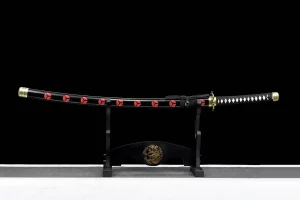
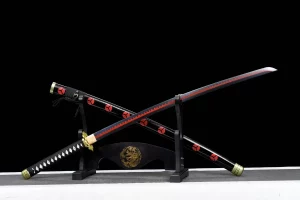
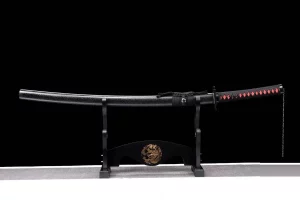
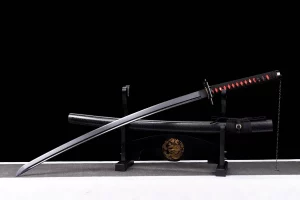
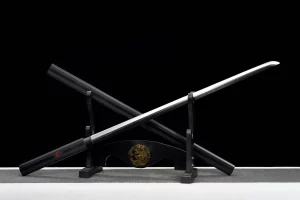
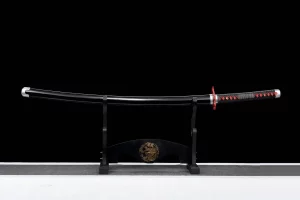
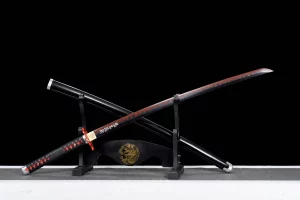
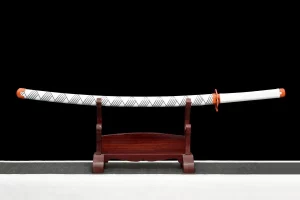
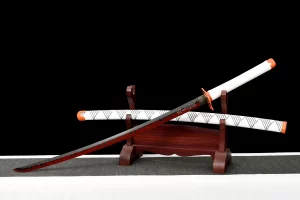
Showing 1–36 of 51 results
The Beginner Katana: Your First Blade From the Forge
Every collection starts with one sword, and the first matters more than people expect. A beginner katana is not a lesser blade so much as a deliberately judged one: full-tang, honestly built, and priced so your introduction to Japanese sword craft does not demand a second mortgage. This is the entry tier of our forge, where a sound functional blade meets a fair price.
The question we hear most is which level suits whom. If you want a sword to hang, to handle, and perhaps to try light cutting, this is your range. If you already know your steels and want a refined polish or a clay-tempered showpiece, you belong further up the bench, in the tiers above.
History & Symbolism
For the swordsmiths of feudal Japan, an apprentice's first serviceable sword was a rite of passage, not a masterwork; the artistry came with years at the anvil. An entry-grade katana honours that arc — it is the blade on which you learn to read a curve, feel where balance sits, and understand why the silhouette has endured.
Craftsmanship & Steel
At this tier, honesty about the trade-offs is the whole point. Most beginner blades are forged from forgiving mid-carbon steels such as 1060 — durable and far less likely to chip in untrained hands than the harder, more brittle 1095. Some use 1045 for display builds, and a handful of value T10 blades reach this range, giving you a tougher tungsten high-carbon option. You reliably get a functional full-tang construction, sharpened or blunt. What you do not get, by design, is a hand-laid hamon born in the quench, a museum-grade polish, or premium fittings — those belong to the upper tiers. Read our steel guide and our look at how a katana is forged before you commit.
Our Collection
This range is built for first collectors, for gifts that need to feel substantial, for display, and for owners who want light cutting without fear of ruining an expensive blade. Browse the tier and let the fittings — the tsuba, the wrapped tsuka, the lacquered saya — tell you which one you keep returning to. When your hands outgrow it, step up to the clay-tempered options of our mid-range katana collection, or commit to the differential hardening of the master-grade katana range. Still weighing it up? Our how to choose a katana guide takes you through it level by level. As with any sword in the UK, ownership is for buyers aged 18 or over.
Frequently Asked Questions about the Beginner Katana
What makes a katana "beginner" grade?
Beginner grade is the entry tier: a functional, full-tang sword in forgiving mid-carbon steel, finished without the costly hand-work of higher ranges. You pay for a sound, usable blade rather than a hand-laid hamon or premium fittings — the right place to learn how a katana handles before you invest more.
Are beginner katanas full-tang and battle-ready?
Our beginner blades are genuine full-tang, so the steel runs the length of the handle for a secure build rather than a glued display peg. "Battle-ready" simply means functional and capable of cutting when sharpened — honest working swords, within their limits, not the refined cutters of our upper tiers.
What is the best steel for a beginner katana?
For most first owners, 1060 is the wisest choice: durable and forgiving, it holds up to learning mistakes, where harder 1095 takes a keener edge but chips more easily. Entry T10 offers extra toughness for a small step up; our care guide helps you keep whichever you choose in good order.
Can a beginner katana cut tatami?
A sharpened beginner katana in durable steel such as 1060 can cut light targets, including rolled tatami mats, when technique is sound. It will not match the clean precision of a clay-tempered, differentially hardened blade from a higher tier, so treat it as a forgiving sword to learn cutting on, not a competition cutter.
Should I buy a beginner or mid-range katana?
If this is your first sword and you want to learn handling, display it, or gift it, the beginner tier is the sensible, affordable start. If you already understand steels and want a genuine hamon and finer fittings, step up — our how to choose a katana guide helps you match the tier to your intent.
Start Your Collection With a Blade You Can Trust
Your first katana should be honest, sound, and a pleasure to hold. Explore the full beginner katana collection and choose the blade that begins your journey.