
Mid-Range Katana
Showing 1–36 of 54 results
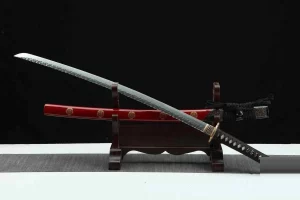
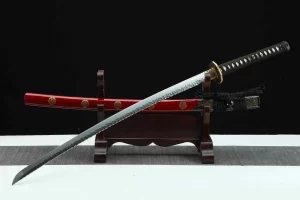
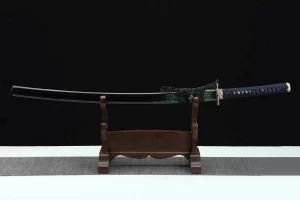
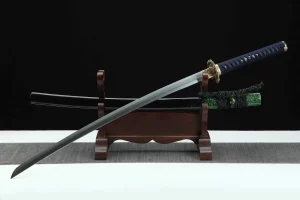
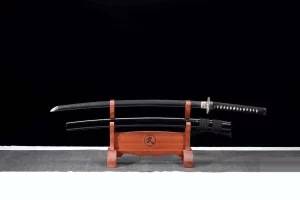
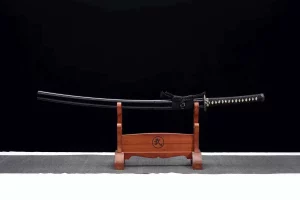
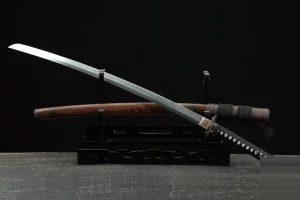
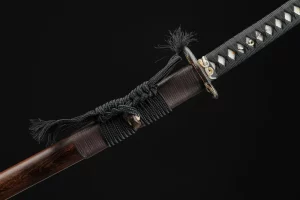
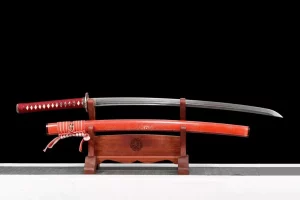
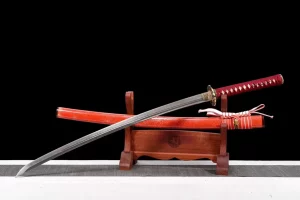
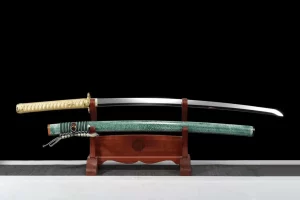
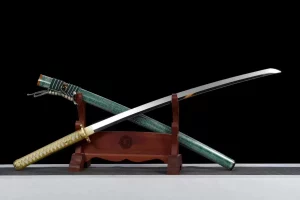
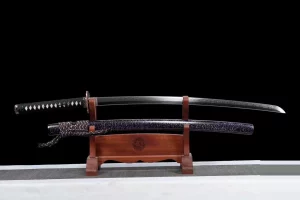
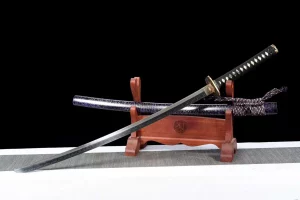
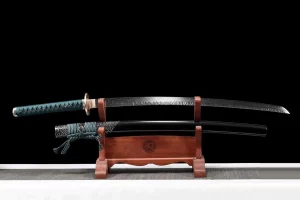
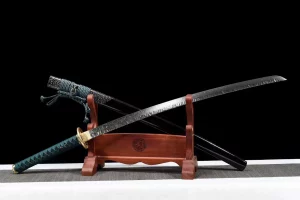
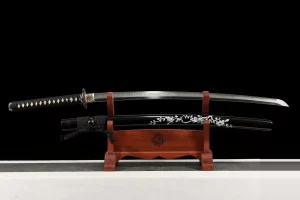
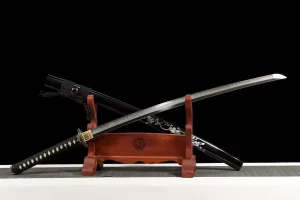
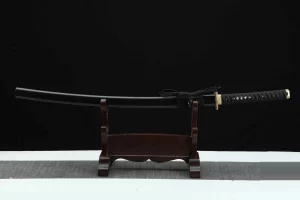
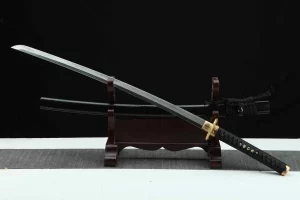
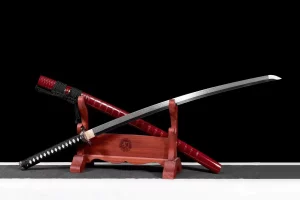
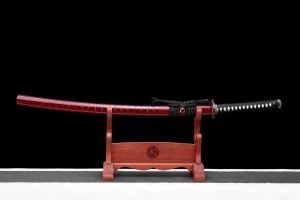
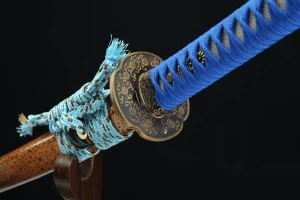
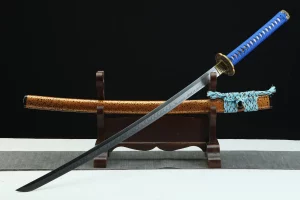
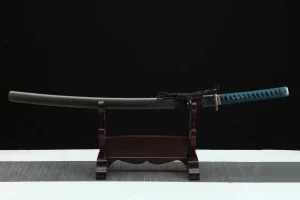
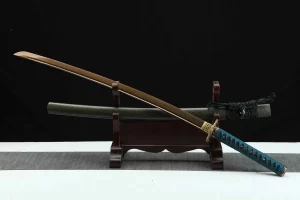
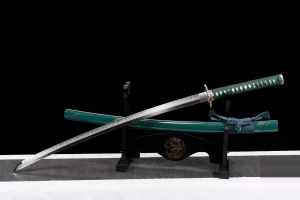
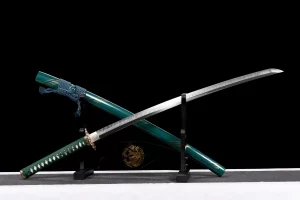
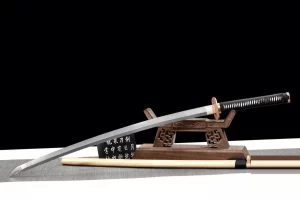
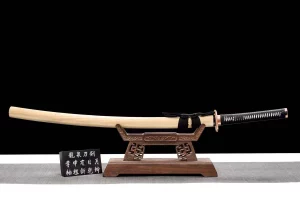
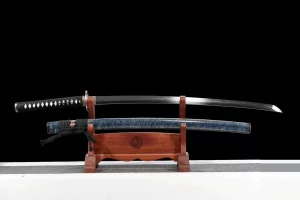
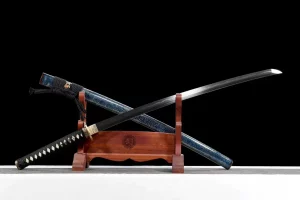
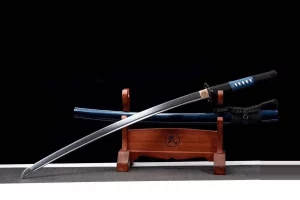
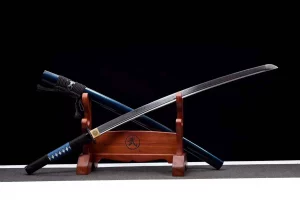
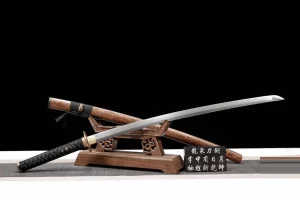
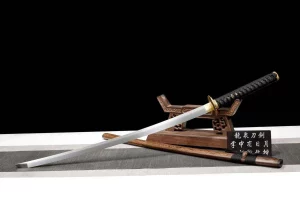
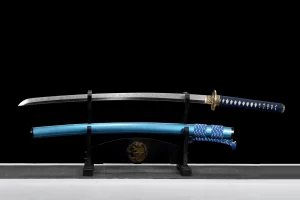
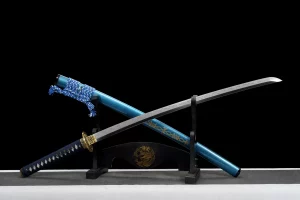
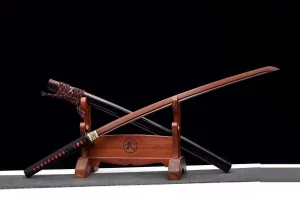
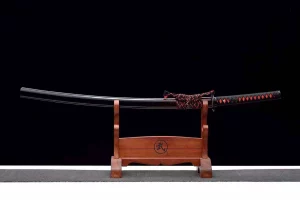
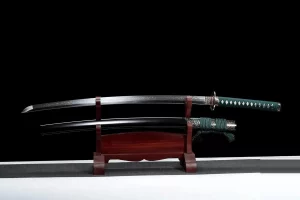
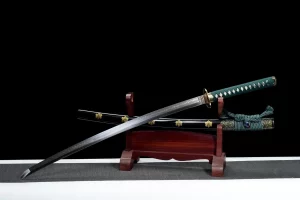
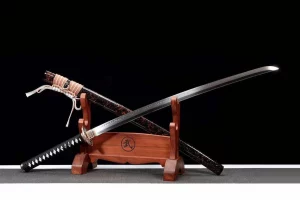
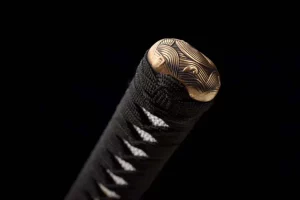
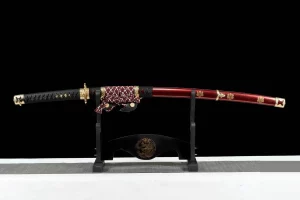
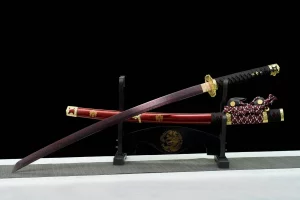
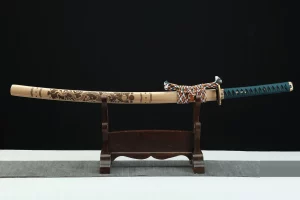
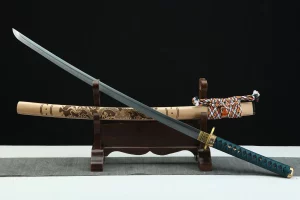
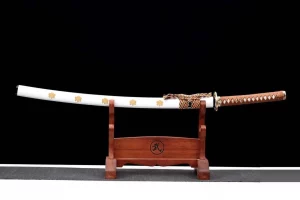
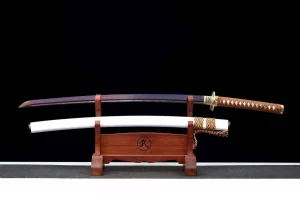
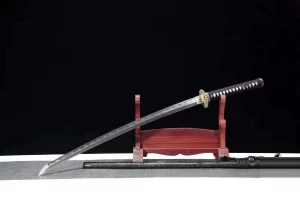
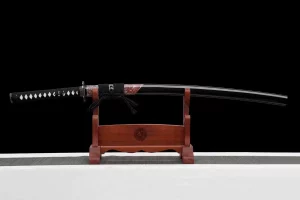
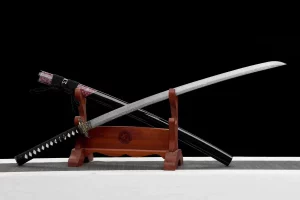
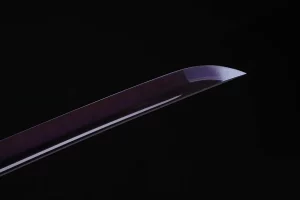
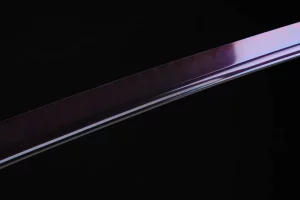
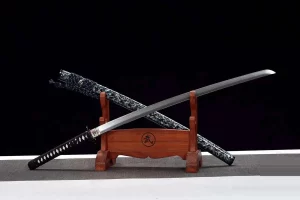
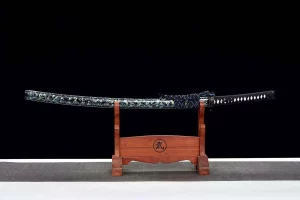
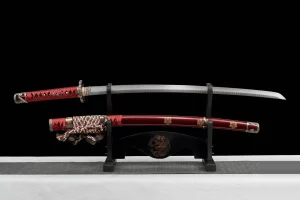
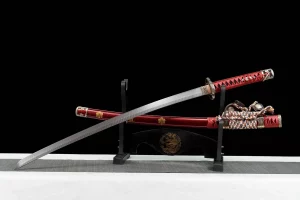
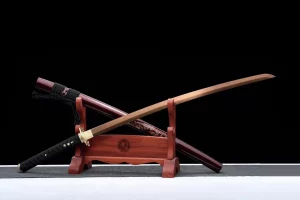
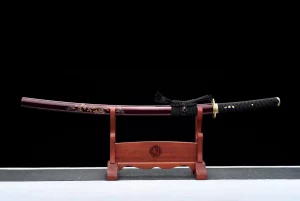
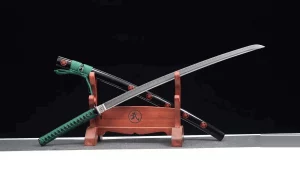
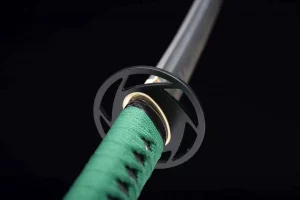
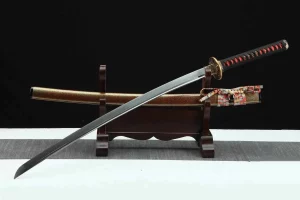
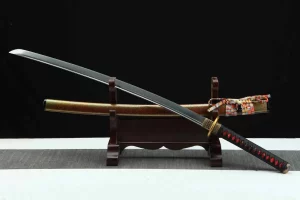
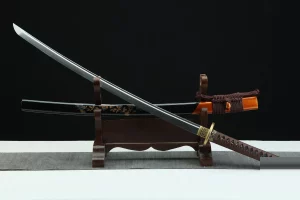
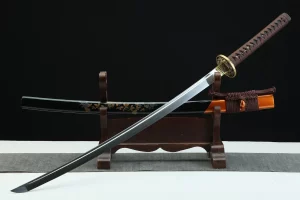
Showing 1–36 of 54 results
Mid-Range Katana: the sweet spot between first sword and master grade
This is the tier where a katana stops being a starting point and becomes a serious blade. A mid-range katana is the sword we hand to the practitioner who has outgrown a forgiving trainer but is not yet spending master-grade money — the cutter who wants a genuine clay-tempered edge, the collector who wants a true hamon born in the quench rather than a wash of acid on the steel.
Everything here is built to be used. Better steel, a properly differentiated edge, fittings chosen for grip and balance instead of shelf appeal. If you are weighing this tier against the others, our how-to-choose guide walks the decision from intended use down to budget, and our steel guide explains exactly what each alloy gives you in the hand.
History & Symbolism
The katana earned its reputation not as an ornament but as a working sidearm — a curved, single-edged blade carried edge-up so the draw and the cut became one motion. That curve, the sori, is not decoration; it concentrates force at the point of contact and is the reason a well-made katana cuts the way it does. Centuries of refinement settled on a geometry that rewards a trained hand: a long cutting edge, a defined kissaki at the tip, and a spine thick enough to absorb shock. The swords in this tier honour that lineage without pretending to be museum reproductions — they are blades meant to move.
Craftsmanship & Steel
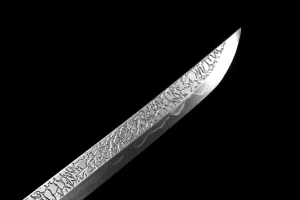
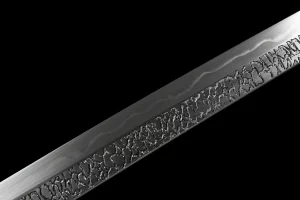
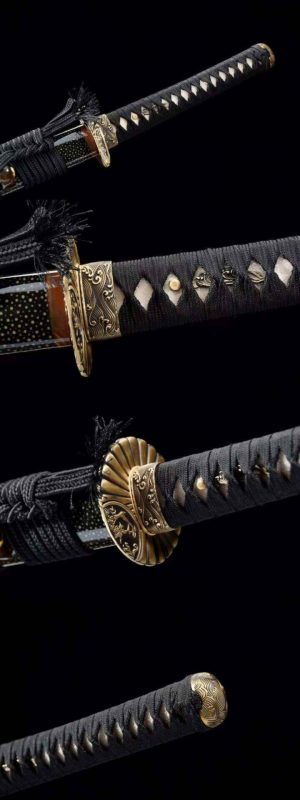
The real step up at mid-range is the steel and the heat treatment behind it. Where an entry blade often runs through-hardened 1060 — mid-carbon, durable and forgiving — this tier brings T10 tungsten high-carbon, which is tough, holds an edge and takes a clay temper beautifully; 1095, harder still and keen, though less tolerant of abuse; and folded Damascus, where layered steel carries a flowing grain that earns its place on display and at the cutting mat alike. The defining process here is clay-tempering: a clay slurry painted thicker over the mune and thinner along the edge so the blade cools at two rates in the quench. The result is genuine differential hardening — a hard cutting edge against a softer, shock-absorbing spine — and a real hamon, the temper line born in that quench, not painted on afterwards. Many blades carry a bo-hi groove to lighten the sword and lend it that audible whistle through the air, and every one is full-tang, the nakago running deep into the tsuka so the sword holds together under a hard cut. Fittings — tsuba, saya, habaki — are a clear grade above the entry shelf. Our how-it's-forged guide follows the whole sequence from billet to polish.
Our Collection
This collection is built for the people who actually swing a sword. Serious practitioners cutting tatami and tameshigiri, students moving up from a trainer, and collectors who want demonstrable quality without master-grade prices all land here. If you are still learning the fundamentals or buying a first blade, start with our beginner katana range for context, then come back when you are ready to step up. If you want the finest hand-polished work we offer — premium polish, top-tier fittings, the most refined steel — the master-grade collection is the level above. Looking sideways, our shorter companions live in the wakizashi and tanto ranges, and the full katana category spans every tier in one place.
Frequently Asked Questions about mid-range katana
What is a mid-range katana?
A mid-range katana is the tier that sits between an entry-level trainer and a master-grade piece. It brings better steel, genuine clay-tempering and a real hamon, and more refined fittings than a beginner sword, while staying well below the price of hand-finished master work. In short, it is the sweet spot: a fully functional, true cutting katana you do not have to baby.
Is a mid-range katana good for cutting and tameshigiri?
Yes — this tier is designed for it. The blades are full-tang, properly heat-treated and differentially hardened, which means they take and keep a keen edge while the softer spine absorbs the shock of a real cut. For tatami, bamboo and standard tameshigiri targets, a mid-range katana is more than capable in trained hands.
What steel do mid-range katanas use?
Most commonly T10, 1095 and folded Damascus. T10 is a tungsten high-carbon steel that is tough and takes a clay temper exceptionally well; 1095 is harder and holds a keen edge but is less forgiving of misuse; folded Damascus carries a flowing layered grain prized for both display and cutting. Our steel guide breaks down how each one behaves.
What is the difference between mid-range and master-grade?
Both can be clay-tempered, full-tang and fully functional. The difference is finish and refinement: master-grade blades carry a finer hand polish, more carefully matched and higher-quality fittings, and tighter overall fit. Mid-range gives you serious cutting performance and a genuine hamon at a far more accessible price.
Are mid-range katanas clay-tempered with a real hamon?
The clay-tempered blades in this tier are, yes. Clay-tempering applies a clay slurry to the blade before the quench so the edge and spine harden at different rates, producing genuine differential hardening and an authentic hamon — the temper line born in the quench, not etched on with acid. Always check the individual product description, as it states the exact steel and heat treatment for that sword.
Step up to a serious cutting katana
When you are ready to move past a trainer and own a blade that performs, this is the tier to explore. Browse the full mid-range katana collection above, and lean on our how-to-choose guide to match the right steel and balance to the way you cut.