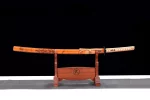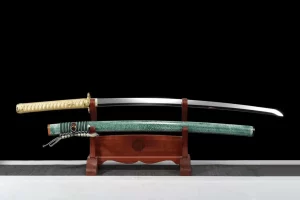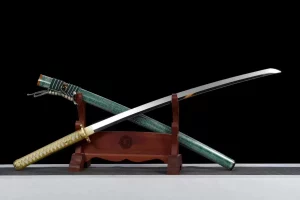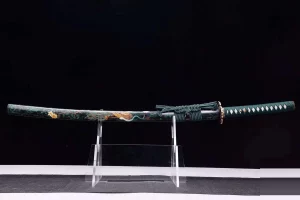
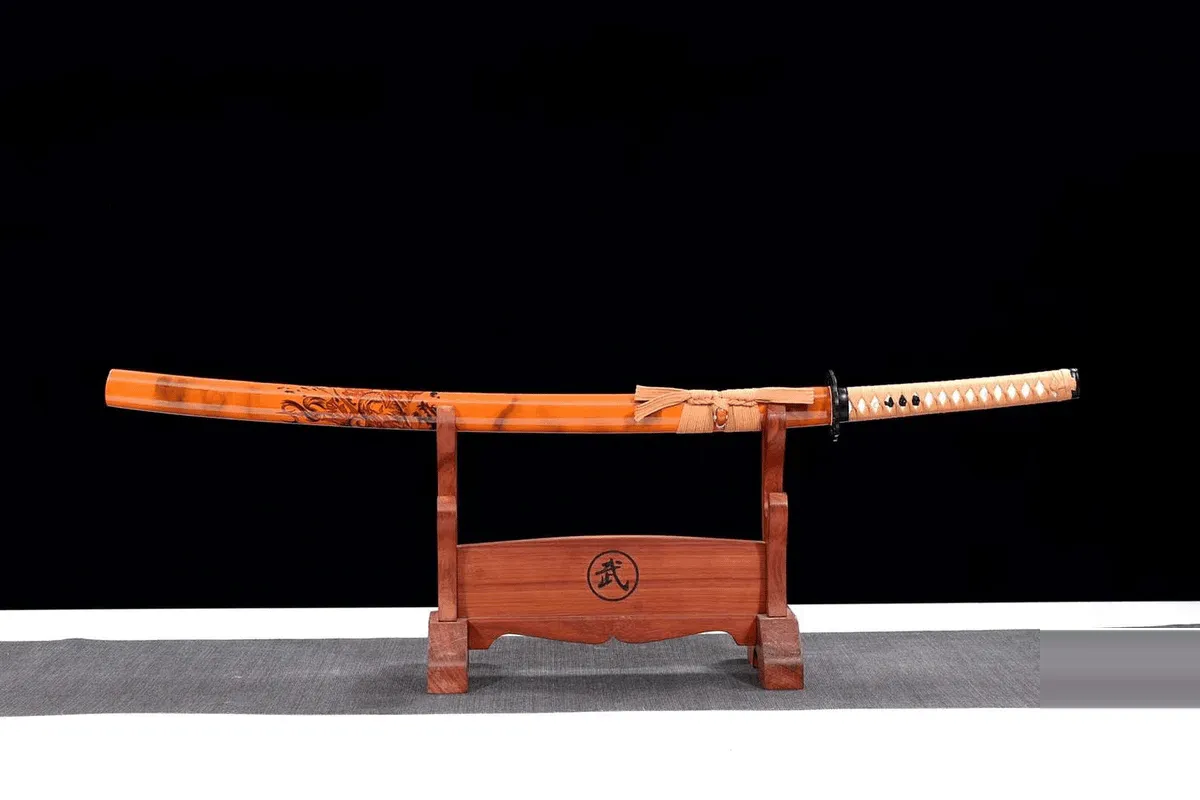
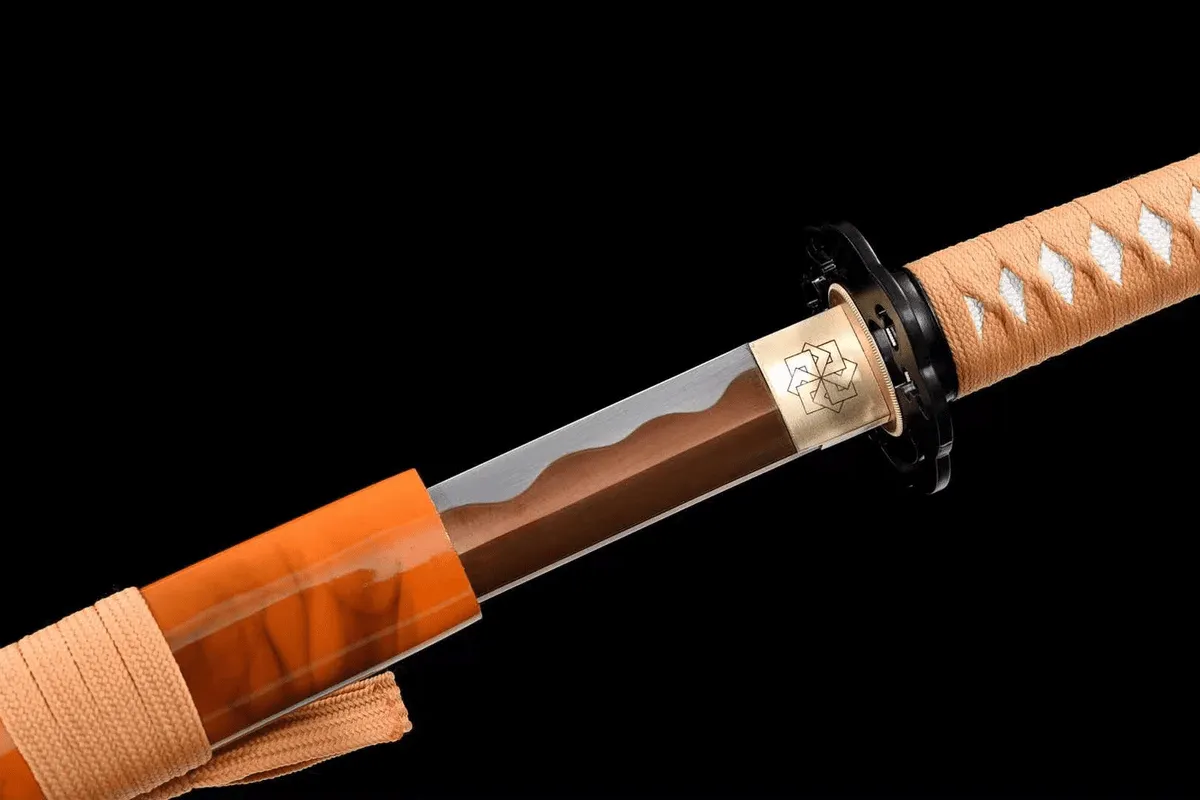
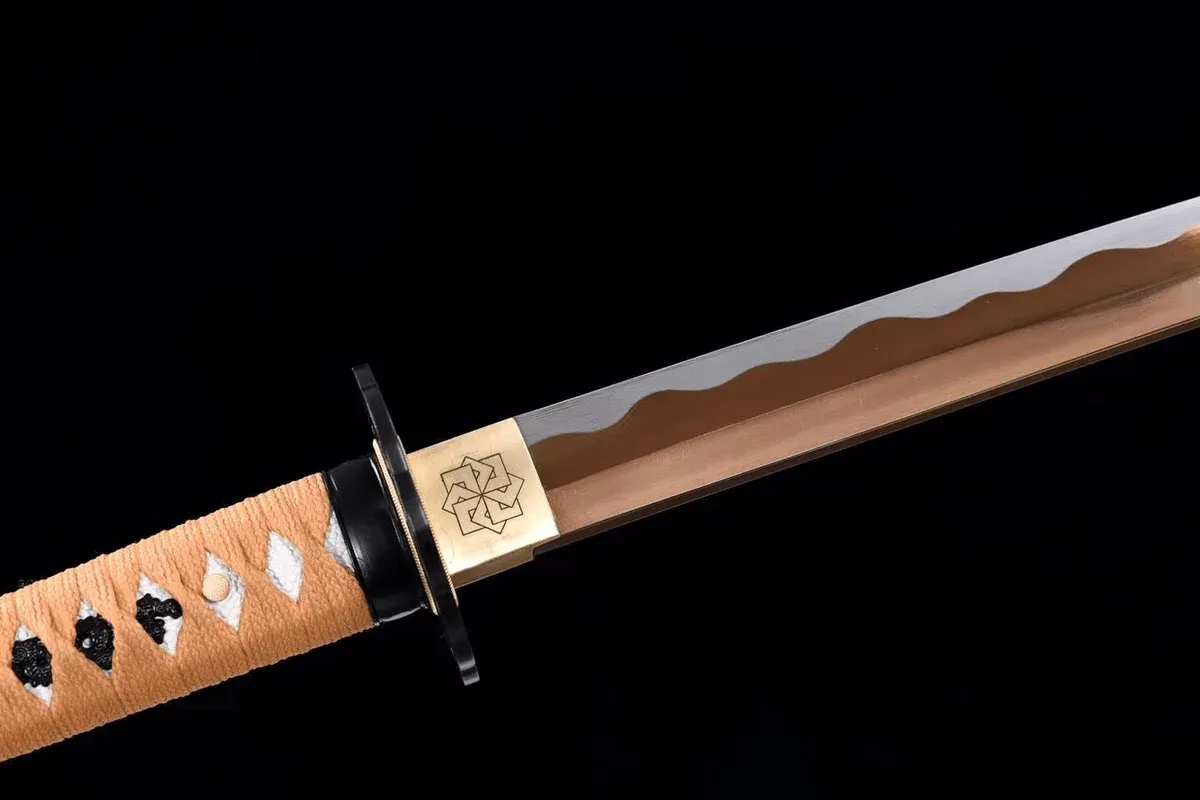
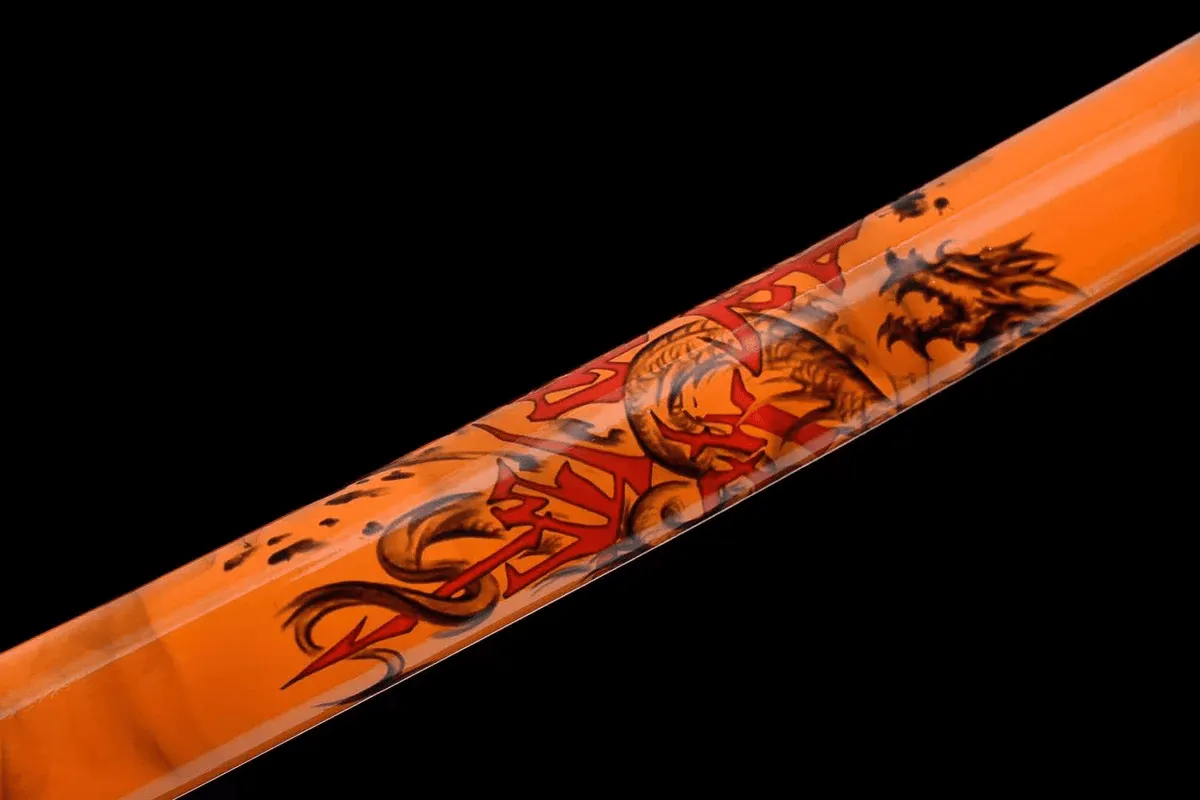
Sabaku — 砂漠 — means desert, and this katana is shaped by that idea: the resilience of dune and sand, the patience of a landscape that wears everything else down. It is an entry-level blade made for both practical use and display, warm in tone and tough in steel.
Forging & steel
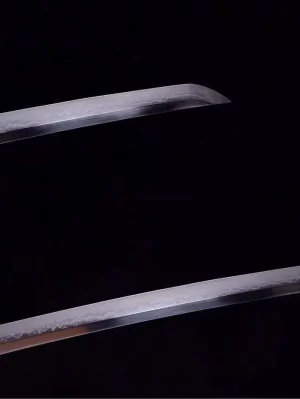
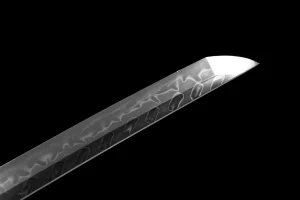
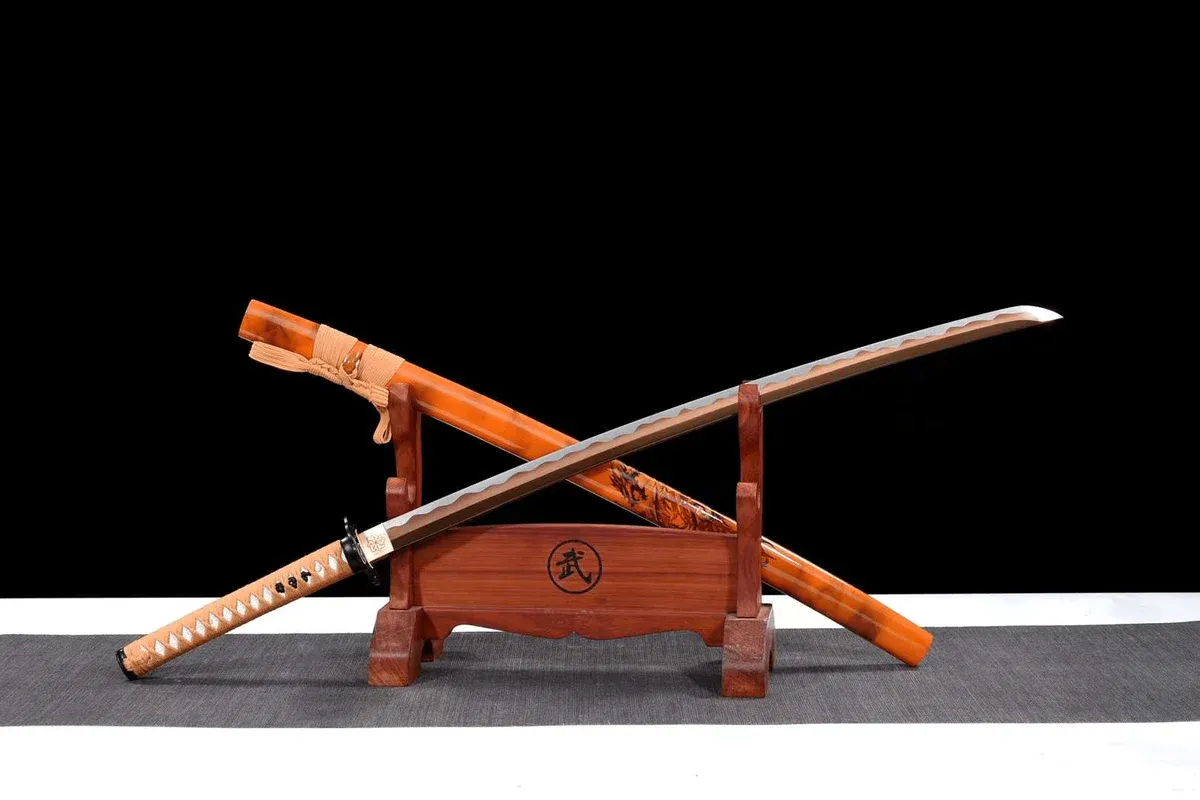
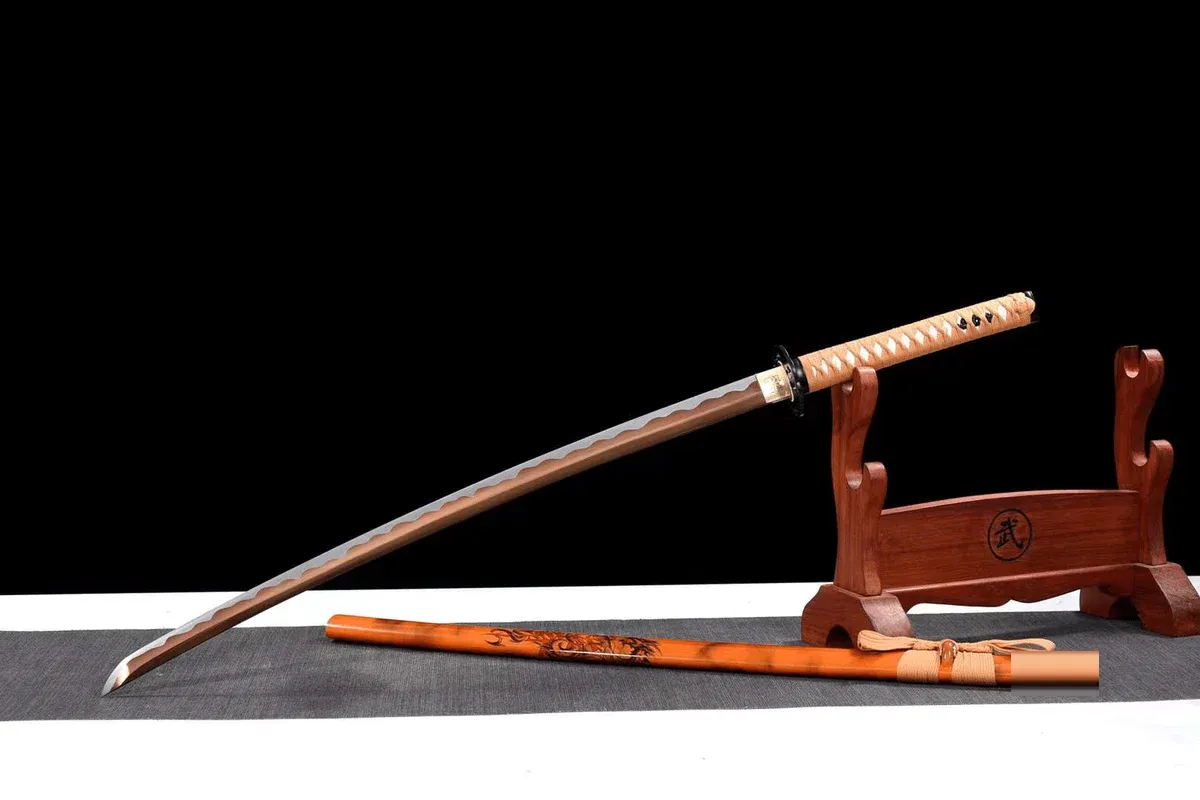
The blade is forged from manganese steel, chosen for exceptional wear resistance and durability — it shrugs off the abrasion that dulls softer steels and stands up to repeated handling without losing its character. Its distinctive brown hue evokes desert warmth, setting it apart from the usual bright finish you see across the range, so the sword reads as something deliberately different on a rack of mirror-bright blades. The result is a hard-wearing, forgiving blade that suits a practitioner who wants a katana to actually use rather than only admire.
Fittings
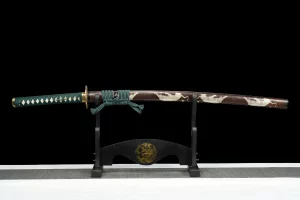
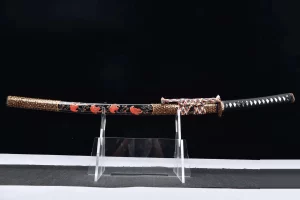
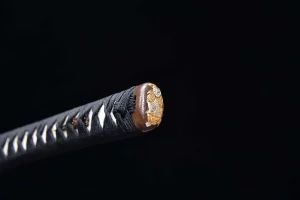
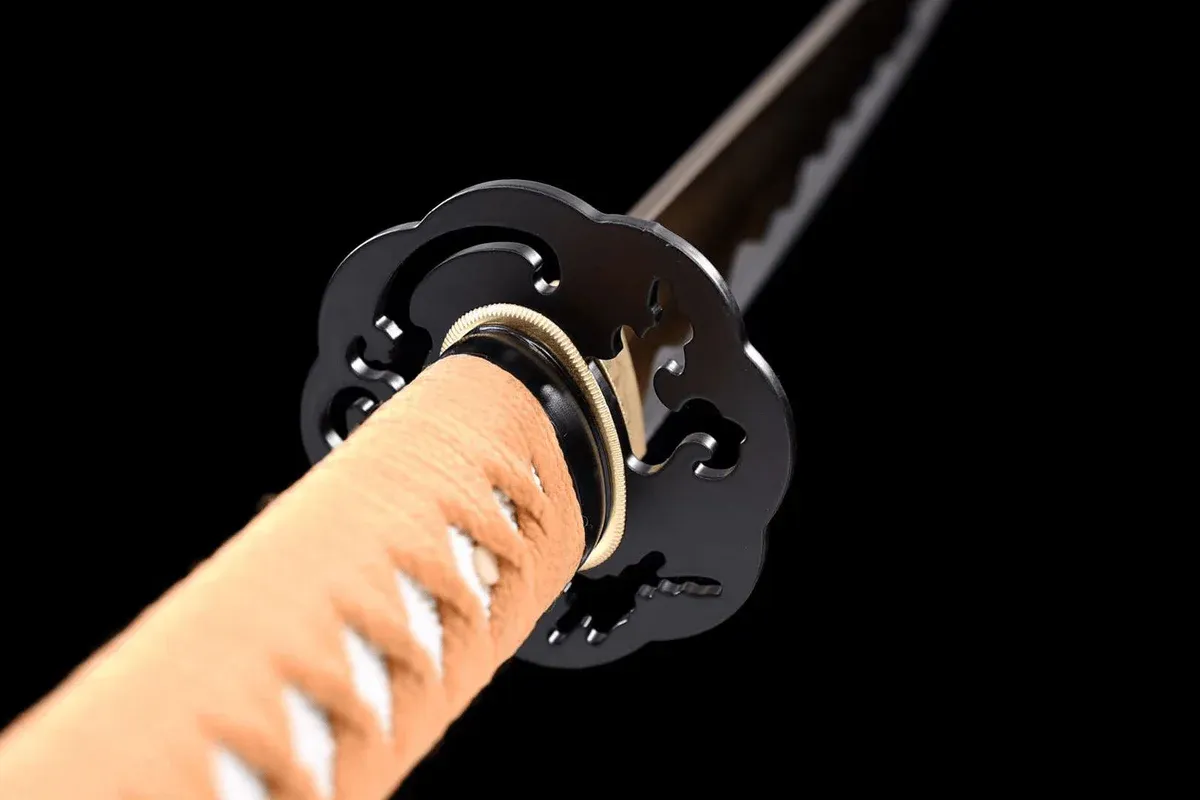
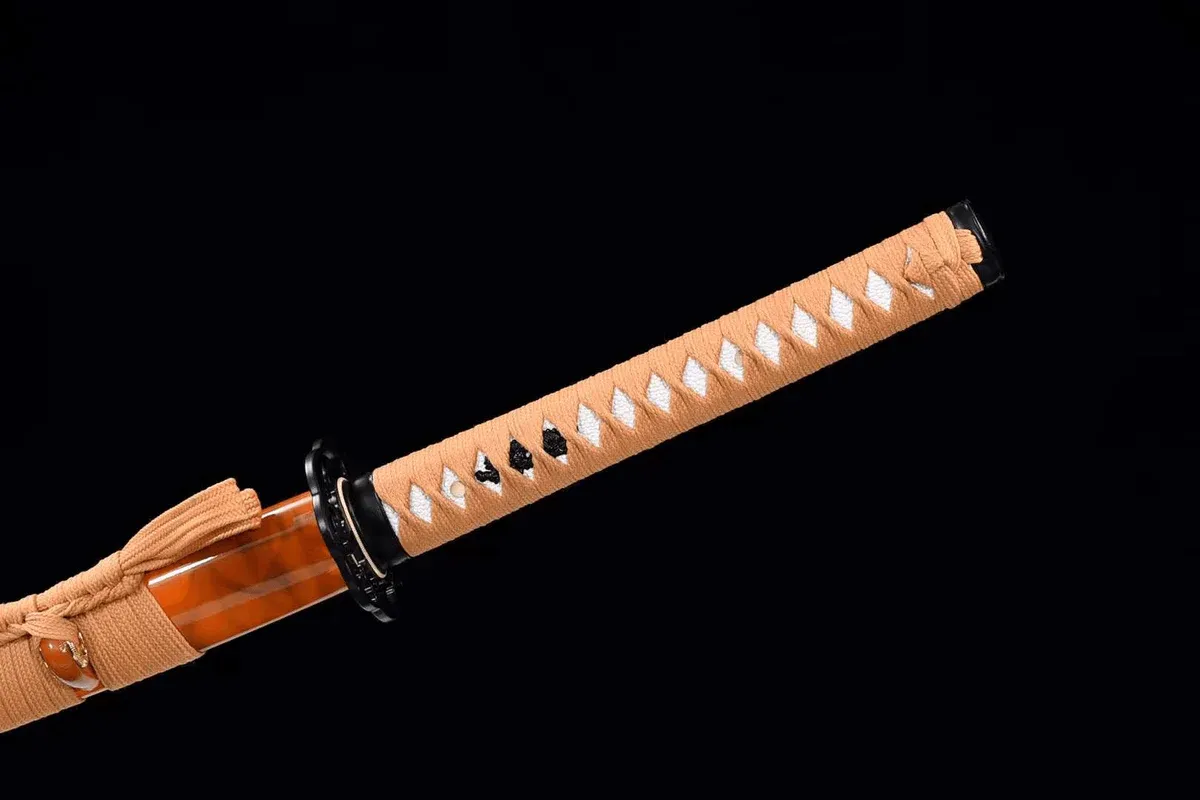
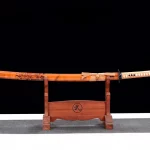
A carved iron tsuba, engraved with dune-like patterns that echo the name, guards the hand. The saya is ebony wood fitted with a bull-horn kurigata and a rope; the tsuka wears genuine stingray leather over an iron menuki kit, pinned with two bamboo mekugi for a secure grip that ties the whole desert theme together.
Specifications
| Blade steel | Manganese steel |
|---|---|
| Blade color | Brown |
| Tsuba | Carved iron (dune pattern) |
| Saya | Ebony wood with bull-horn kurigata and rope |
| Tsuka | Genuine stingray leather, iron menuki, 2 bamboo mekugi |
Dimensions
| Total length | 103 cm |
|---|---|
| Blade length | 71 cm |
| Blade width | 3.2 cm |
| Blade thickness | 0.75 cm |
| Handle length | 26 cm |
Usage
Built for both practical handling and display, Sabaku’s manganese steel and wear resistance suit practitioners and collectors who want a durable, distinctive blade. Collectors who like its iron-and-ebony dressing often look at the 1095 Kikumon or the entry-level Damascus Ten, each a different take on a hard-working high-carbon blade. Browse the full katana range.

 Verified owner